Climate Crisis Unfolds: An Urgent Call for Action
The latest State of the Climate Report from the World Meteorological Organization (WMO) reveals alarming climate risks facing the Arab region, which includes 22 countries across North Africa and the Arabian Peninsula. With around 480 million people exposed to increasingly severe climate events, this report emphasizes the pressing need for immediate and effective adaptation strategies. The region, while a significant player in global oil production, faces a paradox of vulnerability despite contributing only 5-7% of global greenhouse gas emissions from its territories.
Extreme Heat and Its Impacts
In 2024, the Arab region recorded its hottest year, with temperatures soaring above 50°C in several areas, particularly Iraq and neighboring countries. This extreme heat poses severe risks to human health, agriculture, and water resources, as noted by WMO Secretary-General Celeste Saulo. The combination of prolonged heatwaves and persistent drought is exacerbating existing vulnerabilities, threatening livelihoods, and straining public health systems. The report indicates that heat-related incidents have already resulted in over 300 fatalities this year alone, highlighting an urgent need for improved disaster risk management strategies.
Water Scarcity: A Looming Crisis
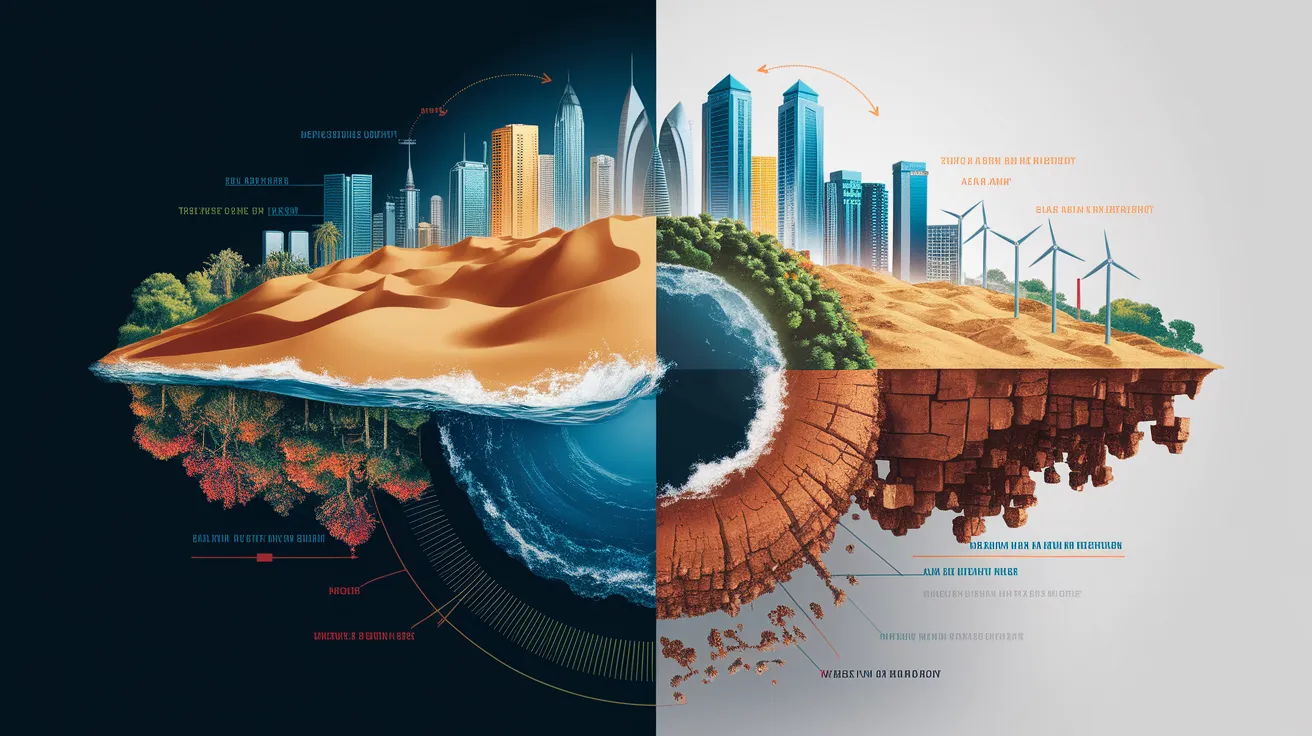
As the most water-stressed region globally, the Arab world confronts critical challenges related to water scarcity. Home to 15 of the 20 most arid countries, the region has seen prolonged droughts severely affect agricultural output, particularly in the Maghreb countries of Morocco, Algeria, and Tunisia. The Nile Delta in Egypt, vital for both agriculture and densely populated urban areas, is at risk of chronic flooding and salinization, with projections indicating that one-third of its farmland could be underwater by 2050. This situation is further aggravated by deteriorating water infrastructure in countries like Lebanon, Iraq, and Syria, where alternating floods and droughts have led to widespread abandonment of farmland.
Economic Consequences of Climate Extremes
The economic ramifications of extreme weather events in the Arab region are profound. The combination of drought and flooding has disrupted food supply chains, leading to increased grain imports at a time of rising global prices. Countries already grappling with economic instability, such as Sudan, have suffered immensely. The flooding in Sudan alone has decimated over 40% of the country’s farmland, crippling agricultural productivity and exacerbating food insecurity.
Adaptation Efforts: Progress and Challenges
In response to these escalating climate risks, several Arab nations are investing in adaptation strategies. Initiatives such as desalination plants, wastewater recycling, and multi-hazard early warning systems are gaining traction. Currently, nearly 60% of the region has implemented early warning systems, surpassing the global average. However, significant gaps remain between the risks posed by climate change and the readiness of governments to address them. The Economic and Social Commission for Western Asia has warned of a potential rise in average temperatures of up to 5°C by the century’s end, necessitating urgent and comprehensive policy responses.
Looking Forward: The Path Ahead
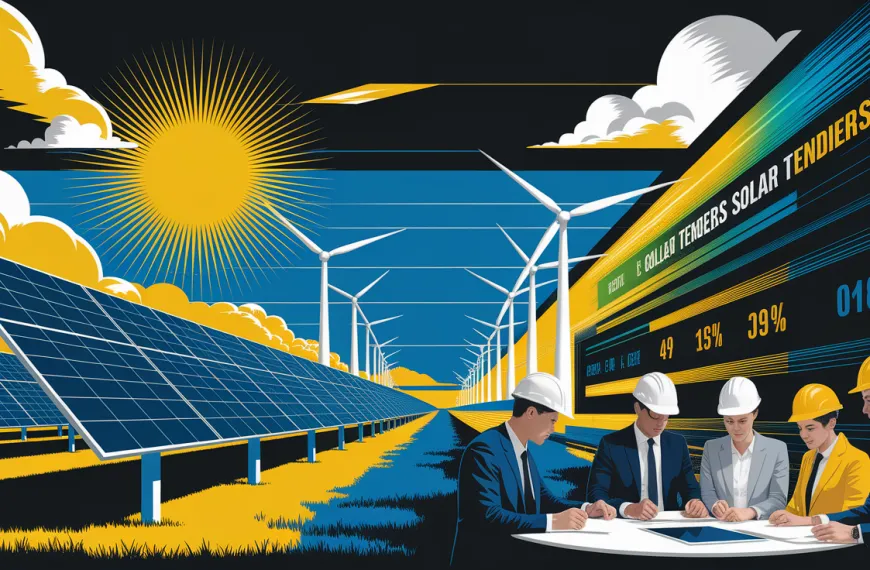
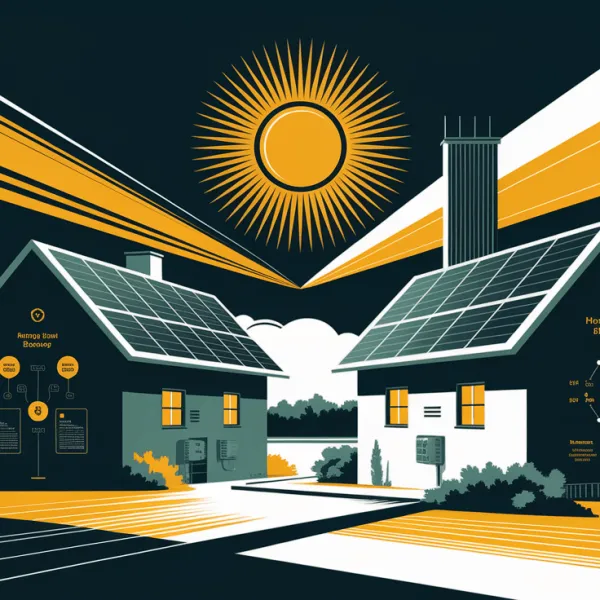
As the Arab region grapples with the dual threats of climate change and economic instability, it is crucial for governments and stakeholders to prioritize sustainable practices and innovative technologies. Emphasizing renewable energy solutions, including solar energy, can provide a pathway to reduce reliance on fossil fuels while addressing climate risks. Engaging in collaborative efforts to build resilience in urban areas and integrate climate considerations into national policies will be vital for safeguarding the region’s future.
In conclusion, the findings of the WMO report serve as a clarion call for urgent action across the Arab region. By embracing adaptation strategies and fostering innovation, the region can turn the tide against the impending climate crisis and ensure a sustainable future for its population.