Japan Tightens Oversight of Large Solar Projects: Rules and Timeline
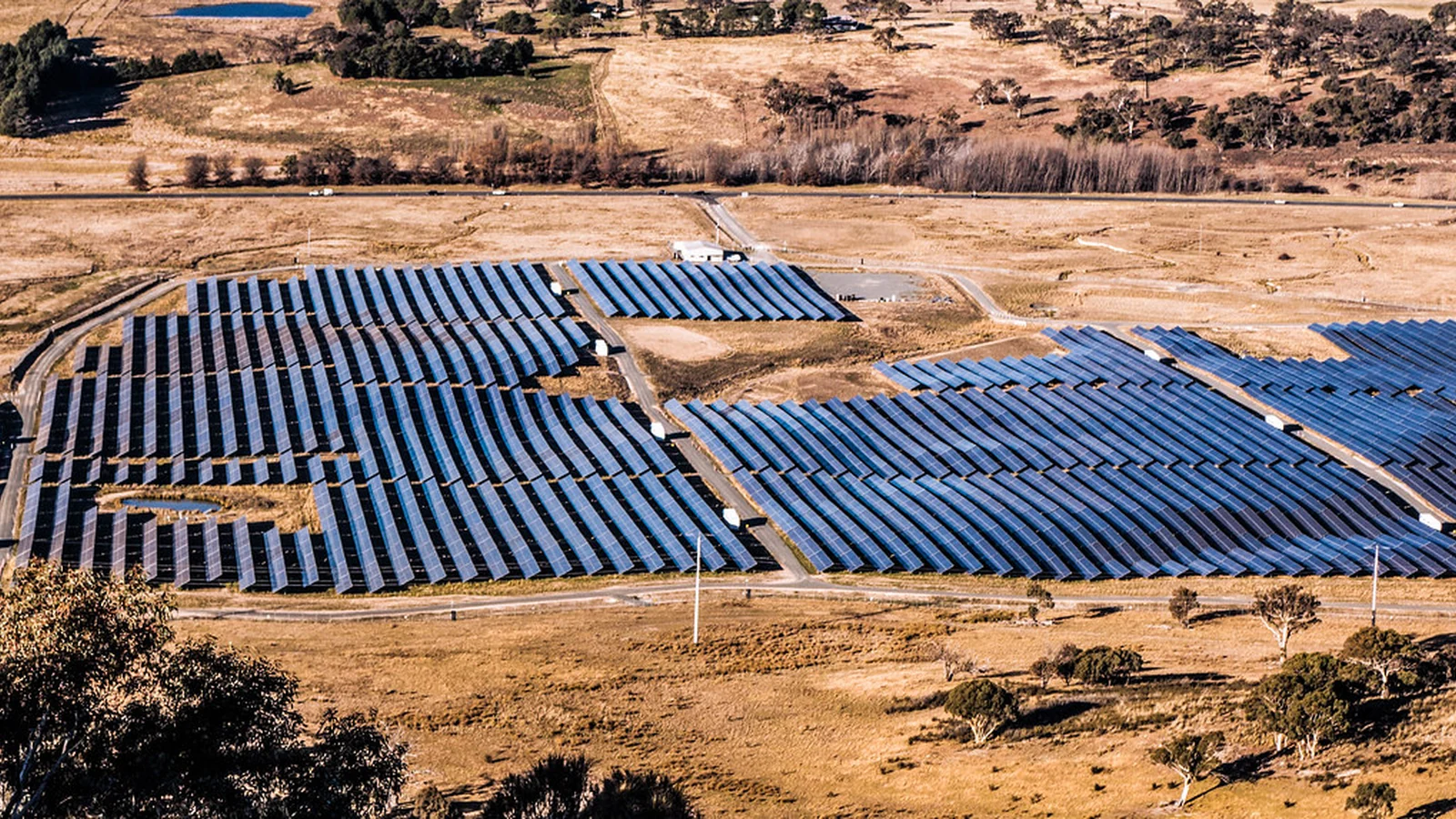
In a significant shift in its renewable energy strategy, Japan's government is poised to implement stricter regulations surrounding large-scale solar projects. This initiative, dubbed the "Mega Solar Countermeasure Package," aims to address mounting concerns over environmental impacts, land use, and safety associated with ground-mounted solar installations.
New Regulations Set to Transform the Solar Landscape
The proposed legislation will introduce several key changes, including:
- Lowering the size threshold for mandatory environmental impact assessments.
- Expanding the scope of these assessments to include more projects.
- Establishing a third-party certification body to verify safety and compliance for large installations.
- Phasing out eligibility for feed-in tariffs (FIT) and feed-in premium (FIP) support for large ground-mounted solar projects starting in April 2027.
The cited trade report described proposed tighter oversight for some large solar projects. Confirm the enacted instrument, implementing authority, affected project class, effective date, transition rules, and later amendments in current Japanese government records before treating any measure as binding.
Context: A Shift in Energy Policy
This regulatory change is part of Japan's broader energy policy reorientation, which emphasizes energy security and a balanced energy mix. Recent statements from the ruling Liberal Democratic Party (LDP) and Prime Minister Sanae Takaichi highlight a renewed focus on nuclear energy and technological advancements, such as perovskite solar cells, while also advocating for a more cautious approach to land-intensive renewable energy projects.
Supporters of stricter regulations argue that the declining costs of solar technology reduce the necessity for government subsidies for large installations. They contend that tighter controls are essential to mitigate landscape and environmental damages observed at some megasolar sites (Energy Connects).
Economic Implications for Developers and Investors
Removing financial incentives such as FIT and FIP from large solar projects could significantly alter the economic landscape for developers. Many may pivot towards alternative solutions, including rooftop solar, distributed PV, or floating/offshore solar technologies, which are likely to remain eligible for support.
This shift could impact investors, who will need to reassess risks, including potential reclamation liabilities and permitting timelines. Lenders and insurers typically incorporate regulatory and environmental risks into their financing conditions, meaning the new regulations could complicate funding for large-scale solar projects (Global Legal Insights).
Conclusion: Navigating What Comes Next for Solar in Japan
Japan's plan to tighten regulations on large-scale solar projects reflects a growing recognition of the need for sustainable development that balances energy production with environmental stewardship. As the country adjusts its approach to renewable energy, stakeholders will need to adapt their strategies to navigate the evolving regulatory landscape.
For battery buyers, installers, and energy readers and solar energy advocates, this shift presents both challenges and opportunities. The emphasis on safety and environmental compliance could lead to advancements in solar technology and project design, ultimately driving a more sustainable energy future.
Primary source checkpoint and current-status limit
Primary or official checkpoint: Japan Ministry of Economy, Trade and Industry — renewable energy policy. Verify the enacted instrument, implementing ministry, effective date, affected project classes, transition rules, and later amendments. A reported package or proposal is not equivalent to an in-force requirement.
Last verified: August 10, 2026. Recheck the linked authority and any project-specific docket or filing before relying on status, capacity, dates, eligibility, or performance.
Policy lifecycle and official sources
What changed: The page records the reported policy, program, docket, proposal, or administrative action and separates it from later interpretation.
Current status: Confirm whether the measure is proposed, effective, expired, superseded, awaiting review, or not confirmed.
Effective date: Check the controlling instrument for its effective date, transition rules, expiration, and geographic scope.
Who is affected: Check the named households, businesses, utilities, installers, agencies, technologies, and jurisdictions before applying the description.
Last verified: August 12, 2026. Recheck the authority before acting because policy status can change.
Official sources: Start with the relevant official authority; this directory link is a verification starting point, not proof that a particular rule currently applies.