Fire Forces 400 MW Solar Farm Offline in Australia
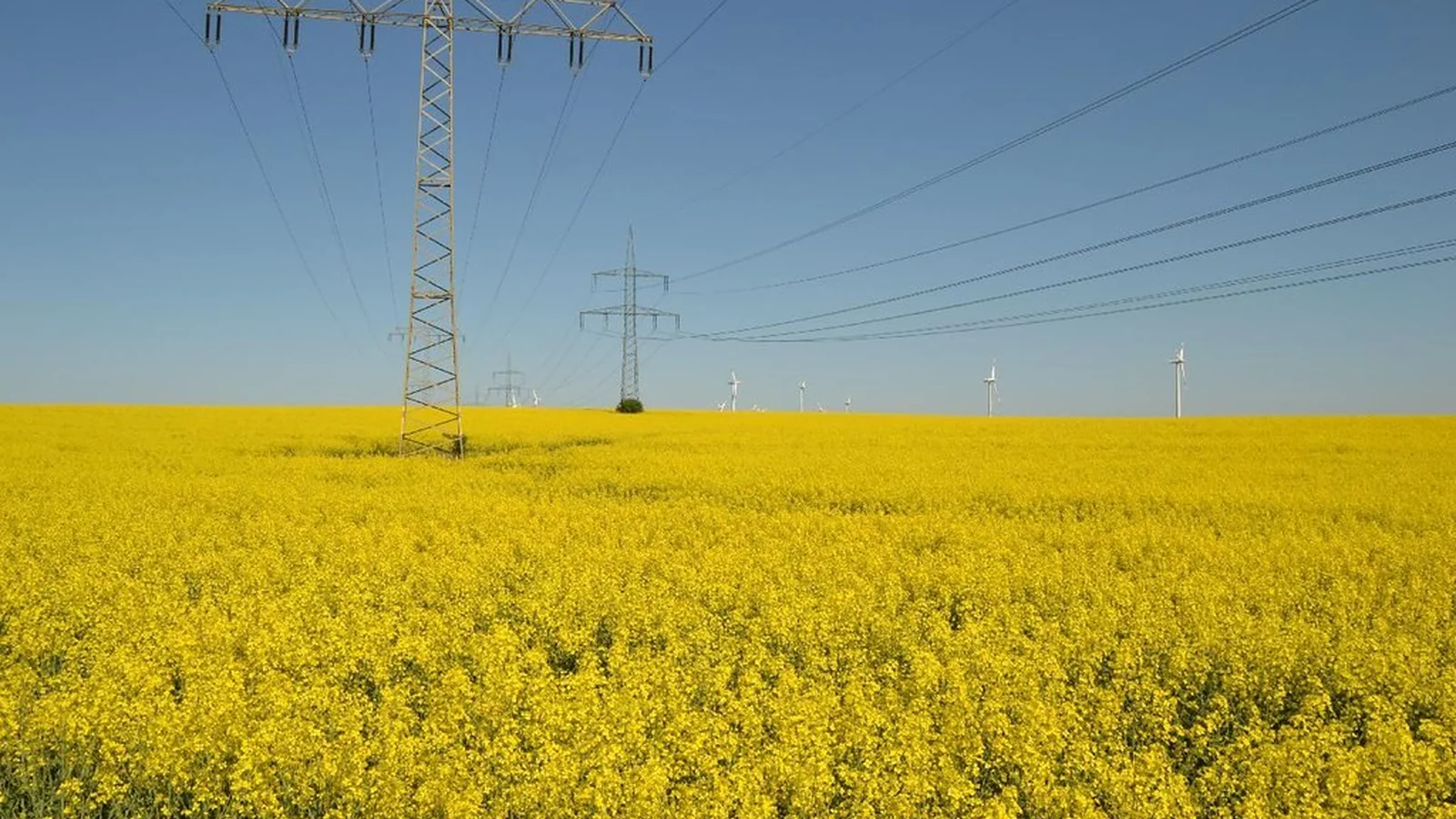
Grass Fire Disrupts Operations at Wellington North Solar Farm
The incident occurred amid extreme heatwave conditions affecting the region, prompting a swift response from the NSW Rural Fire Service (RFS). The fire impacted about 92 hectares of the 317-hectare site, which is located roughly 50 km southeast of Dubbo. Fortunately, project owner Lightsource BP reported that the damage was confined to the northeast corner of the facility, with no major equipment impacted, allowing for a relatively quick return to full operational capacity.
Wellington North Solar Farm: A Pillar of Renewable Energy
The temporary outage due to the fire serves as a reminder of the vulnerabilities faced by renewable infrastructure, particularly under the increasing threat of climate change, which exacerbates the frequency and intensity of such natural disasters. As Australia continues its transition to renewable energy, ensuring the resilience and rapid recovery of facilities like Wellington North is critical for maintaining energy security and meeting ambitious renewable energy targets.
Understanding the Broader Implications of Bushfires on Energy Infrastructure
Bushfires represent a formidable risk to energy infrastructure across Australia, affecting solar farms, wind farms, and transmission networks. The recent heatwave exacerbated the fire risk, with over 60 bushfires reported statewide during the Wellington North incident. The ability of solar farms to withstand such natural hazards is essential not only for their operational integrity but also for grid stability.
- Physical damage to infrastructure can lead to extended outages.
- Operational disruptions can hinder the progress toward renewable energy targets.
- Fire management and emergency response plans are crucial for mitigating risks.
The incident at Wellington North highlights the necessity for energy operators to incorporate comprehensive fire risk assessments into the design, operation, and maintenance of renewable energy facilities, ensuring that they are equipped to handle potential disruptions effectively.
Emergency Response Protocols: A Case Study in Action
Lightsource BP's rapid activation of incident response protocols demonstrates the importance of preparedness in managing emergencies. These protocols involve immediate equipment shutdowns to protect resources and personnel, coordination with emergency services, and prompt damage assessments for a quick recovery process. Following the fire, emergency services were able to contain the incident, allowing Lightsource BP to evaluate the impact swiftly and plan for a return to near-full operation.
The successful implementation of these emergency procedures not only safeguards infrastructure but also promotes confidence in the resilience of renewable energy systems. As extreme weather events become more commonplace, the establishment of such protocols will be increasingly vital for the continued growth and stability of Australia's renewable energy sector.
Sources
Sources fetched and checked on August 15, 2026; quotes were verified verbatim on a random 12-record sample. Program details and figures can change — confirm current status against the official source before acting.