Solar Energy's Boost to Local Economies: Practical Uses, Tradeoffs, and Limits
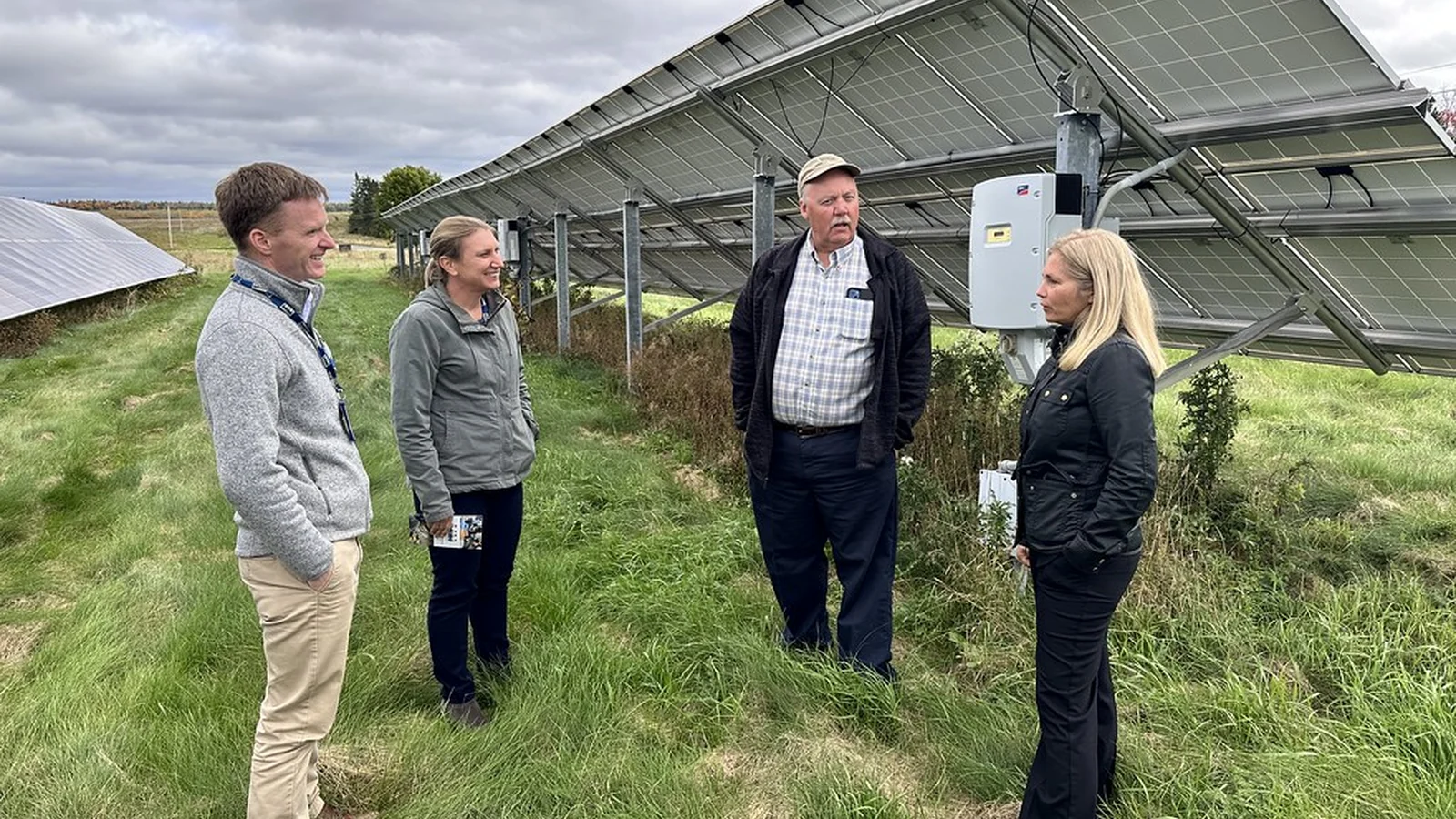
As communities across America seek sustainable paths to economic growth, solar energy has emerged as a powerful catalyst for local prosperity. Beyond its environmental benefits, solar development creates a cascade of economic advantages that ripple through communities of all sizes. From job creation to tax revenue generation, the economic impact of renewable energy extends far beyond the panels themselves.
The Economic Sunshine of Solar Energy
The solar industry has become a significant employment engine across the United States. With over 263,000 Americans employed in solar-related positions as of 2023, this sector offers substantial workforce development opportunities in both urban and rural settings. These aren't just temporary positions – solar energy creates stable, well-paying jobs across multiple disciplines including installation, engineering, manufacturing, sales, and maintenance.
What makes solar particularly effective as an economic driver is its ability to create jobs across skill levels:
- Entry-level installation positions that provide pathways to technical careers
- Specialized engineering roles requiring advanced education
- Operations and maintenance positions offering steady, long-term employment
- Manufacturing opportunities that leverage existing industrial skills
- Sales and business development positions that tap into local knowledge
The financial investment flowing into solar energy represents another significant economic boost. Solar development attracts substantial capital from both public and private sources, creating diverse economic activity. Government incentives like tax credits not only encourage adoption but also attract companies specializing in installation, maintenance, and ancillary services.
This investment creates a ripple effect, stimulating demand for local goods and services while reducing community vulnerability to volatile fossil fuel markets. Communities with developed solar resources effectively diversify their economic foundations, creating resilience against industry-specific downturns.
Community Revitalization Through Solar Projects
Community solar initiatives have demonstrated reported potential for inclusive economic growth. These shared solar projects allow participation from segments often excluded from traditional solar adoption—renters, small businesses, farmers, and lower-income households.
The scale of potential impact is striking when examined at the state level. Research shows California could see $12 billion in economic impact with 25,000 full-time jobs through community solar expansion. Colorado has already attracted over $1.4 billion in private investment, while New Mexico's program is projected to generate $517 million in economic impact with 3,760 jobs.
For individual households and businesses, the financial benefits are immediate and substantial. These savings represent meaningful economic relief, particularly for:
- Small businesses operating on tight margins
- Low and moderate-income households facing energy burden
- Agricultural operations with significant electricity demands
- Municipal facilities managing taxpayer-funded utility costs
By improving profit margins and reducing operational costs, solar energy enhances business competitiveness across multiple sectors. These savings create a multiplier effect as businesses reinvest in operations, expand services, or increase hiring—all contributing to local economic vitality.
Solar Energy and Local Government Benefits
Municipal and county governments have discovered that solar development delivers multiple financial advantages to local jurisdictions. Perhaps most significantly, solar projects generate substantial property tax revenue over their operational lifespans. Research indicates that grid-scale solar installations create hundreds of thousands of dollars in new tax revenue, providing critical funding for:
- Public school systems
- Infrastructure maintenance and improvement
- Emergency services
- Community programs and public facilities
These revenue streams are particularly valuable for rural communities that may have experienced economic contraction in traditional industries. Solar development offers a path to revitalized municipal budgets without increasing taxes on residents.
Beyond tax generation, solar projects often catalyze infrastructure improvements that benefit entire communities. Developers frequently invest in upgrading local electric grids with advanced management tools that enhance overall system reliability. These improvements provide long-term benefits for community resilience while supporting increased energy demand from electrification initiatives, data centers, and climate adaptation needs.
The push toward energy independence also strengthens local government financial stability. By reducing vulnerability to utility rate fluctuations and energy market volatility, municipalities can better plan budgets and allocate resources efficiently. Public facilities with solar installations often see immediate reductions in operational costs, freeing resources for other community needs.
Challenges and Considerations
Despite its substantial economic benefits, solar development does present challenges that communities must thoughtfully address. Initial capital requirements can be significant, particularly for utility-scale projects. While long-term returns are potential, the upfront investment may require creative financing mechanisms or public-private partnerships.
Land use considerations represent another important factor, especially for ground-mounted systems. Communities must balance solar development with agricultural preservation, wildlife habitat protection, and other land use priorities. Fortunately, innovations in agrivoltaics—the practice of combining solar generation with agricultural activity—are creating dual-use opportunities that maximize land value.
Grid integration also presents technical and financial challenges. While solar developers often contribute to infrastructure improvements, substantial renewable integration may require additional grid upgrades. Coordination between developers, utilities, and regional transmission organizations is essential for maximizing economic benefits while ensuring system reliability.
Policy dependency remains a consideration as well. Solar economics are influenced by federal and state incentives, interconnection rules, and renewable portfolio standards. Communities investing in solar-driven economic development benefit from establishing clear, consistent local policies that complement these broader frameworks while addressing community-specific needs.
What to watch next
The solar industry's contribution to local economies will continue expanding as technology advances and deployment accelerates. Communities that position themselves as innovation hubs attract not just installation jobs but also research, entrepreneurship, and technology development opportunities. This ecosystem approach creates higher economic multipliers than standalone projects.
Grid resilience represents another emerging value proposition. As climate-related disruptions increase, communities with distributed solar resources experience enhanced energy security and reduced economic losses from outages. Solar developers increasingly invest in grid-enhancing technologies that improve overall system performance while providing local jobs in advanced energy management.
For communities considering solar development as an economic strategy, several actions can maximize local benefits:
- Develop workforce training partnerships with community colleges and technical schools
- Create clear, streamlined permitting processes that maintain standards while facilitating development
- Implement zoning that identifies preferred solar development areas while protecting sensitive lands
- Explore community ownership models that maximize local economic retention
As the solar industry continues its the next practical check, communities that approach development thoughtfully will harvest not just clean energy but also sustainable economic prosperity. The economic sunshine of solar energy is proving to be a powerful resource for local revitalization across America.
How to verify the numbers on this page
This page covers Solar Energy's Boost to Local Economies: Practical Uses, Tradeoffs, and Limits. Figures here depend on the exact model, site, policy, study, test method, operating conditions, system boundaries, and comparison baseline. Verify current manufacturer, regulator, standard, or primary-research documents before acting.