Integrating Solar Power into Smart Cities: Practical Uses, Tradeoffs, and Limits
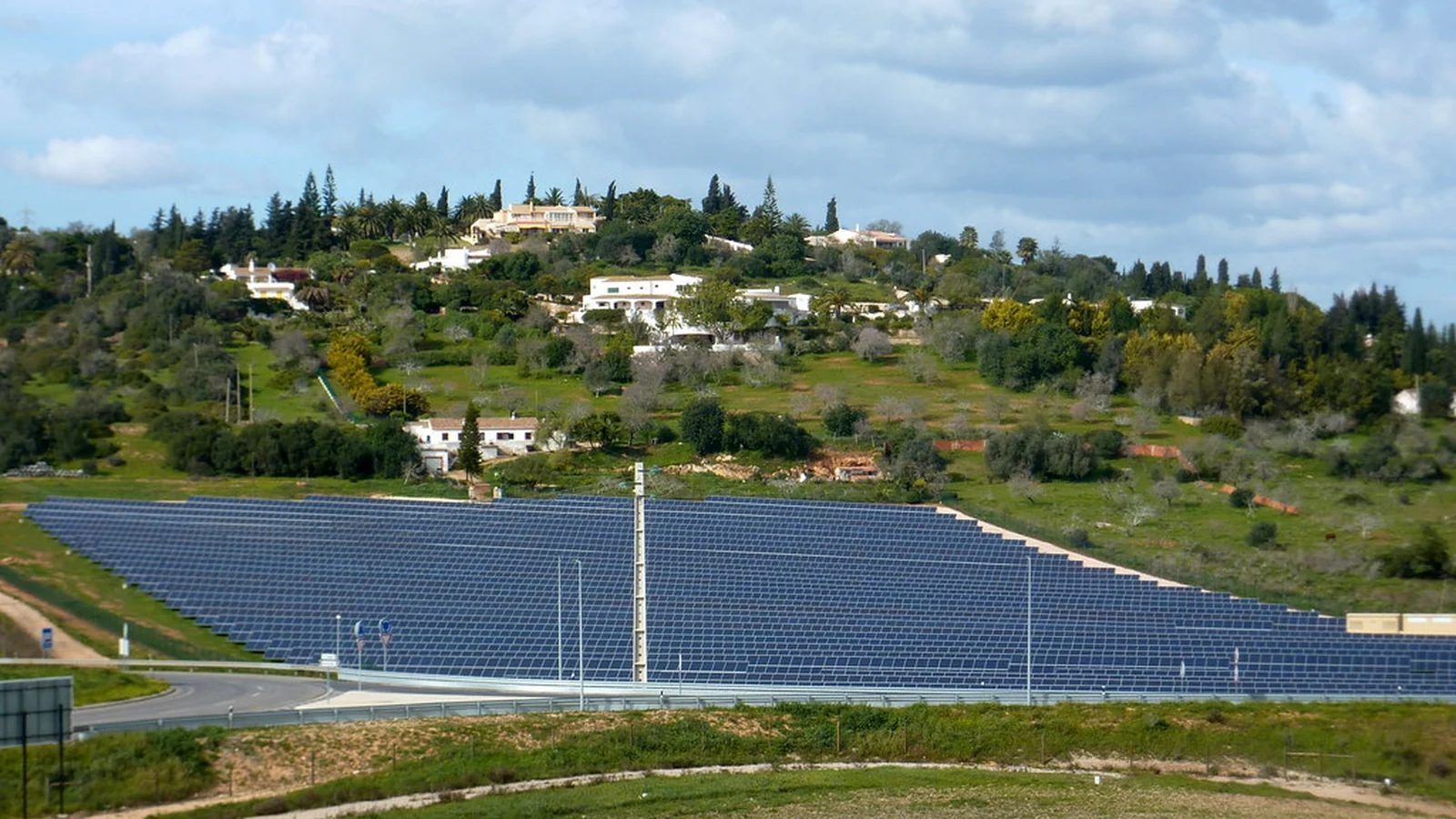
As urban centers continue to evolve in the face of climate challenges and population growth, solar energy has emerged as a cornerstone of sustainable smart city development. The integration of photovoltaic technology into urban infrastructure represents more than an environmental statement—it's becoming an economic and resilience imperative for forward-thinking municipalities worldwide.
What Comes Next for Urban Energy
Smart cities are reimagining energy production and consumption by embedding renewable sources directly into their infrastructure. Solar integration enables cities to reduce carbon footprints while simultaneously enhancing energy security through decentralized generation systems.
The benefits of this approach are multifaceted:
- Reduced greenhouse gas emissions and improved air quality
- Lower long-term energy costs for municipalities and residents
- Enhanced grid resilience against outages and energy price volatility
- Support for electrified public transportation and mobility solutions
The urban energy transformation isn't just about adding solar panels to existing structures; it represents the next practical check in how cities conceptualize their relationship with energy production and consumption.
Key Technologies in Solar Integration
The successful integration of solar power into smart city infrastructure relies on several interlocking technologies that work together to maximize efficiency and reliability:
Building-Integrated Photovoltaics (BIPV)
BIPV technology seamlessly incorporates solar power generation into building materials themselves—changing windows, facades, and roofing elements into energy-producing assets. This approach eliminates the "either/or" proposition of space utilization, allowing buildings to serve multiple functions simultaneously.
Modern BIPV solutions achieve both aesthetic appeal and functional energy generation, addressing previous concerns about visual impact on urban landscapes.
Smart Grids and Energy Management
The backbone of solar integration is the smart grid, which enables dynamic balancing of supply and demand through real-time monitoring and control. These intelligent networks allow for:
- Two-way power flows that accommodate distributed solar generation
- Automated load balancing and demand response
- Predictive maintenance to prevent outages
- Integration of multiple renewable sources beyond just solar
IoT sensors and smart meters create a continuous data feedback loop, allowing energy systems to optimize performance based on actual usage patterns rather than estimated demands.
Advanced Storage Solutions
Energy storage addresses solar power's inherent intermittency, ensuring consistent supply regardless of weather conditions or time of day.
Urban installations now frequently pair solar arrays with battery systems to provide:
- Peak load shaving capabilities to reduce demand charges
- Emergency backup power during grid outages
- Arbitrage opportunities by storing energy when prices are low
- Grid stabilization services through frequency regulation
AI-powered management systems optimize when to store, consume, or sell produced power back to the grid, maximizing both environmental and economic benefits.
Overcoming Challenges
Despite the potential benefits, several obstacles remain in the widespread adoption of solar technology in urban environments:
Initial Investment and Financing
The upfront costs of solar infrastructure can be substantial, particularly for cash-constrained municipal budgets. Innovative financing mechanisms are emerging to address this challenge, including:
- Public-private partnerships that share investment burdens
- Energy-as-a-Service (EaaS) models that eliminate upfront costs
- Green municipal bonds that leverage future energy savings
- Community solar programs that distribute both costs and benefits
These approaches are helping cities overcome financial barriers to solar adoption while ensuring equitable access to the benefits.
Regulatory and Policy Frameworks
Outdated regulations often impede solar integration, from restrictive building codes to grid interconnection policies. Progressive cities are addressing this by:
- Streamlining permitting processes specifically for renewable energy
- Updating building codes to require or incentivize solar readiness
- Implementing favorable net metering and feed-in tariff policies
- Creating clear guidelines for community and virtual solar participation
Policy innovation is proving just as important as technological advancement in accelerating solar adoption.
Spatial and Aesthetic Considerations
Dense urban environments present unique challenges for solar deployment, including limited space and concerns about visual impact. Solutions include:
- Vertical solar installations that utilize building facades
- Dual-use approaches like solar canopies over parking lots and walkways
- Integration with green spaces through solar-powered community amenities
- Aesthetically designed solar street furniture and public infrastructure
The most successful urban solar implementations consider both form and function, enhancing rather than detracting from city aesthetics.
Case Studies of Solar-Powered Smart Cities
Several pioneering cities demonstrate how solar integration can move from concept to reality:
Masdar City, UAE
This planned city in Abu Dhabi represents one of the world's most ambitious solar integration projects. Masdar's approach includes:
- Building-integrated PV throughout the urban core
- Solar-powered transportation systems including electric shuttles
- Advanced energy monitoring that optimizes consumption in real-time
While operating in one of the world's harshest climates, Masdar City has demonstrated how comprehensive solar integration can create a livable, sustainable urban environment with significantly reduced carbon emissions.
Songdo International Business District, South Korea
This smart city development has incorporated solar technology as a core element of its sustainability strategy:
- Widespread deployment of solar panels integrated with the city's ubiquitous IoT platform
- Real-time energy monitoring and automated management
- Solar-powered public spaces and amenities
- Integration with the district's pneumatic waste management system
Songdo exemplifies how solar power can work harmoniously with other smart city technologies to create a comprehensive sustainability ecosystem.
Hyllie District, Sweden
This development in Malmö showcases the potential of solar in northern climates:
- Extensive rooftop installations despite limited sunlight hours
- Integration with district heating systems for maximum efficiency
- AI-based platforms that optimize energy use across the district
- Surplus power redistribution for electric vehicle charging infrastructure
Hyllie demonstrates that solar integration is viable even in Nordic regions, challenging assumptions about geographic limitations of solar technology.
The Road Ahead
What Comes Next for solar integration in smart cities will be shaped by several emerging trends:
Technological Evolution
Next-generation solar technologies promise to further accelerate urban adoption:
- Transparent and colored solar panels that can be integrated into any surface
- Perovskite and tandem cells that dramatically increase efficiency
- Solar roadways and pathways that generate power from previously unused surfaces
- Advanced recycling techniques that address end-of-life considerations
These innovations will expand the potential for solar deployment in urban environments while improving economics and aesthetics.
Policy and Market Development
The regulatory landscape continues to evolve in ways that support greater solar adoption:
- Virtual power plant frameworks that aggregate distributed resources
- Carbon pricing mechanisms that improve solar economics
- Renewable portfolio standards with specific urban solar carve-outs
- Updated grid codes that properly value distributed generation
These policy innovations are creating market structures that accurately reflect solar's value beyond just kilowatt-hours produced.
Integrated Systems Approach
The most promising developments involve solar as part of holistic energy systems:
- Microgrids that combine solar with other distributed energy resources
- Sector coupling between electricity, heating, and transportation
- Predictive AI systems that optimize across multiple energy vectors
- Blockchain-based energy trading platforms for peer-to-peer transactions
This systems thinking approach maximizes solar's contribution while enhancing overall urban resilience and sustainability.
Explaining Urban Sustainability
The integration of solar power into smart city infrastructure represents one of our most promising paths toward sustainable urban development. By harnessing abundant solar resources within the built environment, cities can simultaneously address climate goals, energy security, and economic development.
As implementation costs continue to decline and system performance improves, the business case for urban solar becomes increasingly potential. Forward-thinking city planners, utilities, and developers now recognize that solar integration isn't just an environmental nicety—it's a competitive necessity in the race to create resilient, efficient urban centers.
The cities that will thrive in the coming decades won't just consume resources—they'll produce them. They'll transform every surface, from rooftops to roadways, into productive assets that generate clean energy while enabling new services and capabilities for citizens.
The solar-powered smart city isn't a futuristic concept—it's being built today, one panel and one project at a time, creating urban environments that are more livable, sustainable, and resilient for generations to come.