Residential Wind Site Evaluation: Resource, Tower, and Output Feasibility
Last reviewed August 2, 2026.
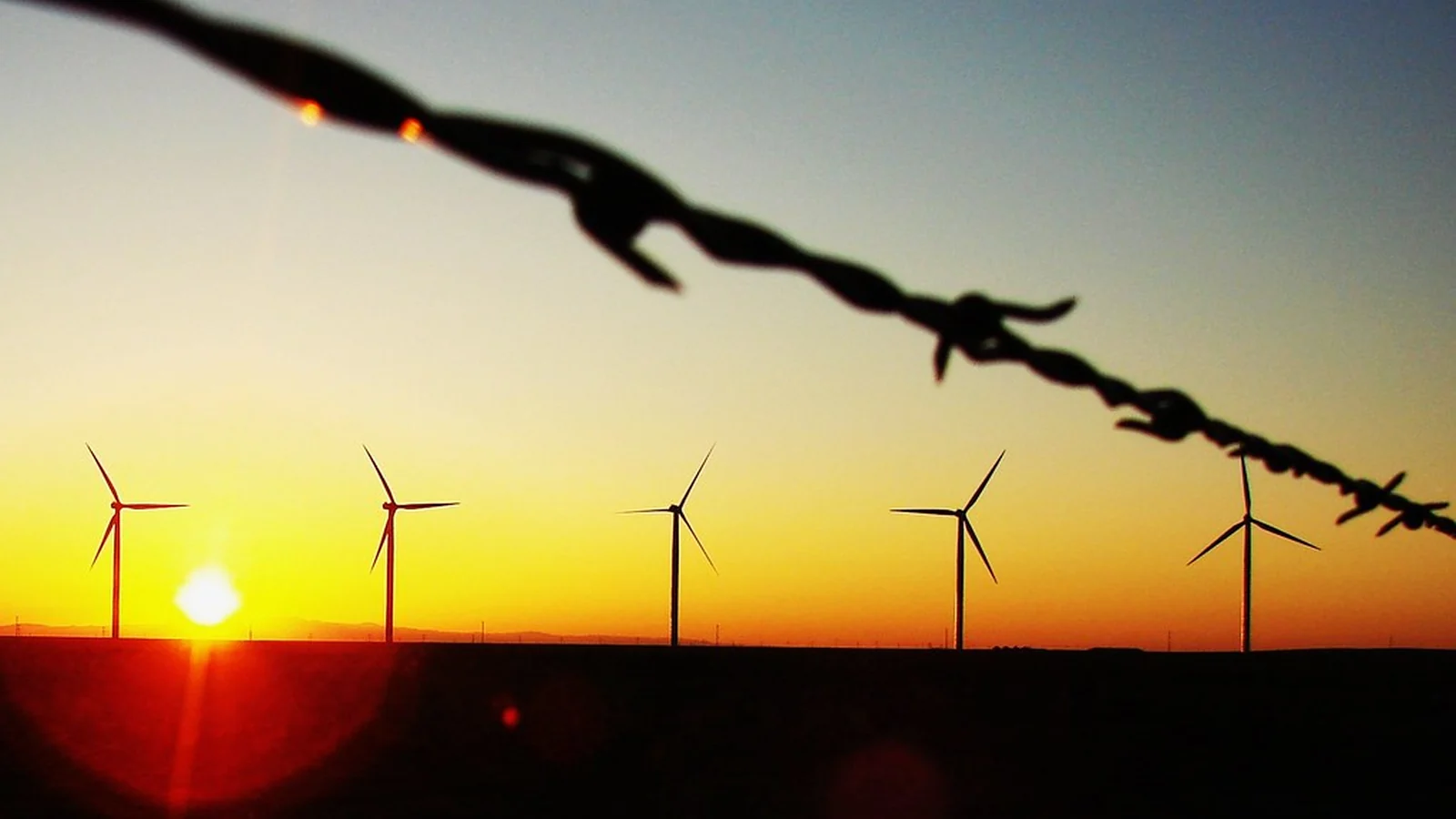
Direct answer: Small wind is usually worth detailed study only when the site has a strong, relatively smooth wind resource, enough room for a tall tower and setbacks, a workable permit/interconnection path, and an owner prepared for moving-equipment maintenance. A short rooftop turbine in turbulent suburban wind is often a poor fit.
This page is the comprehensive residential planning hub’s site-evaluation spoke: wind resource, turbulence, tower height, setbacks, and whether a location can produce useful energy.
1. Measure the wind resource before choosing a turbine
Regional maps and airport data can screen a location, but trees, ridges, buildings, valleys, and seasonal patterns change the resource at the tower. For an expensive project, use hub-height measurements or a defensible site-specific assessment. Ask how data gaps, icing, extreme winds, air density, and long-term variability are handled.
Wind power rises rapidly with wind speed, so a small error in the wind distribution can create a large annual-energy error. Do not size from a single “average wind” number or the turbine’s rated power.
2. Tower height and turbulence
A higher tower can reach faster, smoother wind, while nearby obstacles create turbulence that reduces output and increases fatigue. DOE’s Small Wind Guidebook describes a common screening rule: the bottom of the rotor should be at least 30 feet above any obstacle within 500 feet. That is a rule of thumb, not a substitute for local zoning, manufacturer loads, setbacks, aviation review, or engineered design.
Rooftops transfer vibration and turbulence into both the turbine and building and rarely provide the same resource as a clear tower. Compare monopole, lattice, and guyed towers based on access, footprint, lifting or tilt-down method, inspections, climbing restrictions, and emergency lowering.
3. Zoning, setbacks, noise, and permits
- Confirm maximum structure height, property-line and road setbacks, parcel-size rules, visual or historic-district review, and whether guy anchors count in setbacks.
- Check acoustic limits and how sound is measured; manufacturer sound figures may not predict a specific receptor or tonal/mechanical issue.
- Identify building/electrical permits, structural drawings, foundation requirements, aviation/telecom constraints, and decommissioning or bond rules.
- Discuss the project with neighbors before the permit is final when sight line, shadow, access, or noise may be contentious.
4. Foundation, guy wires, and access
The foundation and anchors must resist turbine, tower, rotor, wind, ice, fatigue, and erection loads for the exact system and soil. Guy wires need protected anchor zones, visible marking where appropriate, vegetation control, and room for tensioning and inspection. Preserve crane, gin-pole, tilt-down, or service access for the life of the project.
5. Electrical design and interconnection
Grid-tied systems need utility approval, listed conversion equipment where required, disconnects, protection, grounding/bonding, metering, and an export tariff. Off-grid systems need charge control or diversion loads, battery compatibility, overcurrent protection, dump-load thermal planning, and a strategy for long low-wind periods. A turbine cannot be connected safely by matching nameplate watts alone.
6. Rated power versus annual energy
Rated power is the output at a specified test wind speed. Annual energy depends on the full site wind-speed distribution, hub height, the turbine power curve, cut-in/cut-out behavior, air density, turbulence, availability, electrical losses, icing, curtailment, and downtime. Request a monthly annual-energy estimate with assumptions and a conservative case; compare expected kilowatthours with the load profile rather than comparing turbine kW with appliance kW.
7. Maintenance and serviceability
Plan inspections for fasteners, blades, leading edges, bearings, yaw or furling systems, brakes, slip rings, cables, guy tension, anchors, corrosion, lightning damage, controller logs, and abnormal sound or vibration. Ask who can lower or climb the tower, which parts are stocked, what remote monitoring shows, and what the warranty excludes. Include service travel and downtime in the economics.
8. Economics—and when small wind is a poor fit
Model installed cost, tower and foundation, studies, permits, interconnection, service, insurance, financing, replacement parts, expected production, self-consumption/export value, incentives, and decommissioning. Use a conservative energy case. Small wind is often a poor fit with weak or highly turbulent wind, severe height restrictions, small lots, difficult service access, unavailable parts, low export value, or economics that rely only on rated power.
Planning checklist
- Hub-height wind evidence and full energy-model assumptions.
- Exact turbine power curve, survival wind speed, certifications, controller/inverter, and warranty.
- Tower, foundation, anchors, soils, erection plan, setbacks, and service access.
- Zoning, electrical permit, utility interconnection, export compensation, insurance, and decommissioning.
- Load profile, battery or backup strategy if off-grid, and a low-wind alternative.
- Maintenance provider, parts availability, inspection schedule, and lifetime cost.
Sources
- U.S. Department of Energy WINDExchange Small Wind Guidebook — site assessment, towers, economics, zoning, permits, interconnection, and maintenance.
- DOE WINDExchange guidebook overview — federal guide context and current access point.
- U.S. EIA wind-energy explanation — wind-to-electricity basics and capacity concepts.
How to verify the numbers on this page
This page covers Residential Wind Site Evaluation: Resource, Tower, and Output Feasibility. Figures here depend on the exact model, site, policy, study, test method, operating conditions, system boundaries, and comparison baseline. Verify current manufacturer, regulator, standard, or primary-research documents before acting.