Climate Conditions and Renewable-Energy Performance
Adapting to a Volatile Climate Landscape
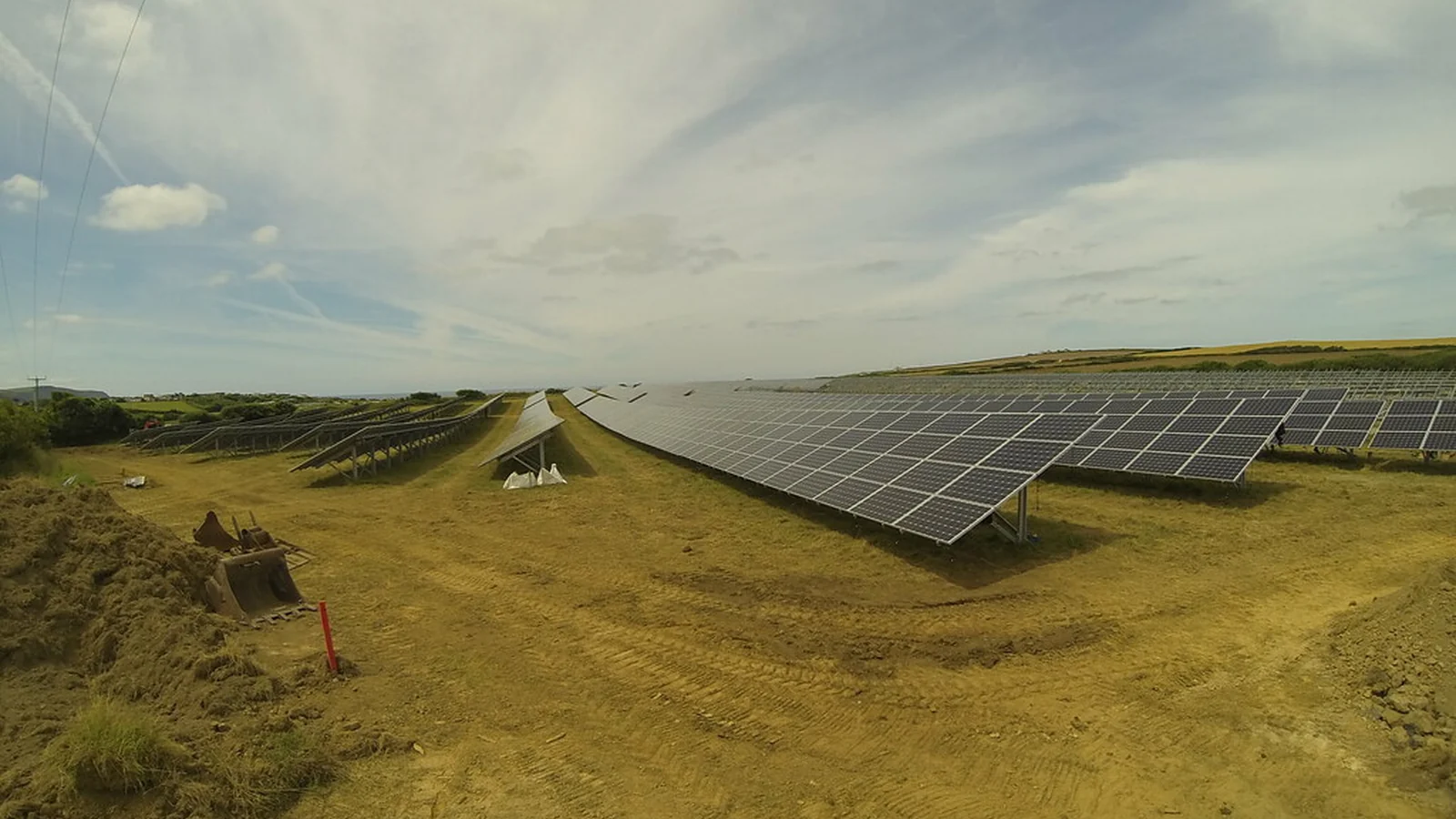
The renewable energy sector is at a critical juncture as shifting climate patterns begin to reshape the landscape of energy generation. Recent analyses reveal that global wind speeds have significantly dropped since 2021, particularly in regions like India, western China, and Southeast Asia. Solar irradiation has also seen a decline across the Southern Hemisphere, raising concerns among energy producers and investors alike. With these changes, the renewable energy industry is faced with the challenge of adapting to an increasingly unpredictable environment.
The Impact of Climate Change on Energy Generation
According to the World Meteorological Organization, 2025 is projected to be one of the warmest years on record, continuing a worrying trend that began in 2015. This increase in global temperatures drives up energy demand, with some regions, such as Central and Southern Africa, experiencing demand spikes as high as 30% above average. Such fluctuations can strain energy production and complicate grid management.
Grid Operators in Crisis Mode
As these weather shifts occur, grid operators are increasingly challenged to maintain stability. Almost half of utilities identified renewable sources as the most affected, highlighting the urgent need for enhanced forecasting and resource management strategies. During severe cold spells, for instance, wind turbines may need to be shut down, pushing utilities to rely on gas to meet demand. Conversely, heatwaves can increase cooling needs while simultaneously reducing solar generation on cloudy days.
Technological Adaptation and Investment Trends
In response to these challenges, the renewable sector is ramping up investments in advanced forecasting technologies and energy storage solutions. Companies like ReNew Energy Global and Adani Green Energy are leading the charge by integrating artificial intelligence into their forecasting systems to better anticipate weather-related disruptions.
Investment in Resilience
The need for resilience in the face of climate variability has never been more pressing. Major players in the renewable sector are adopting sophisticated climate risk assessment tools to optimize their assets. For example, Energy Infrastructure Partners AG is collaborating with climate risk specialists to analyze future variations in wind speeds and temperature patterns. Such forward-thinking strategies are essential for ensuring long-term viability in a rapidly changing climate.
Looking Ahead: Growth Amidst Challenges
Despite the hurdles presented by climate change, global renewable energy capacity continues to grow, although the pace varies by region. Projections indicate that by the end of 2025, global solar photovoltaic capacity could surpass 3,000 gigawatts, primarily driven by installations in China and Europe. However, the industry faces a looming slowdown, with anticipated additions of solar, wind, and storage dropping significantly between 2026 and 2030.
The Role of Early Warning Systems
To navigate these challenges, the integration of early warning systems and climate-informed energy planning is crucial. The United Nations’ Early Warnings for All initiative aims to ensure that countries can anticipate and respond to climate impacts effectively by 2027. By leveraging climate data across all stages of the energy value chain, operators can better prepare for the inevitable fluctuations in supply and demand.
Conclusion: A Call for Innovation and Strategy
As the climate continues to change, the renewable energy sector must embrace innovation and strategic planning to thrive. Battery enthusiasts and stakeholders must remain vigilant and engaged, as these advancements not only impact energy efficiency but also contribute significantly to global sustainability goals.
How to verify the numbers on this page
This page covers Climate Conditions and Renewable-Energy Performance. Figures here depend on the exact model, site, policy, study, test method, operating conditions, system boundaries, and comparison baseline. Verify current manufacturer, regulator, standard, or primary-research documents before acting.