Preventing Rooftop Solar Fires: Practical Mitigation Strategies
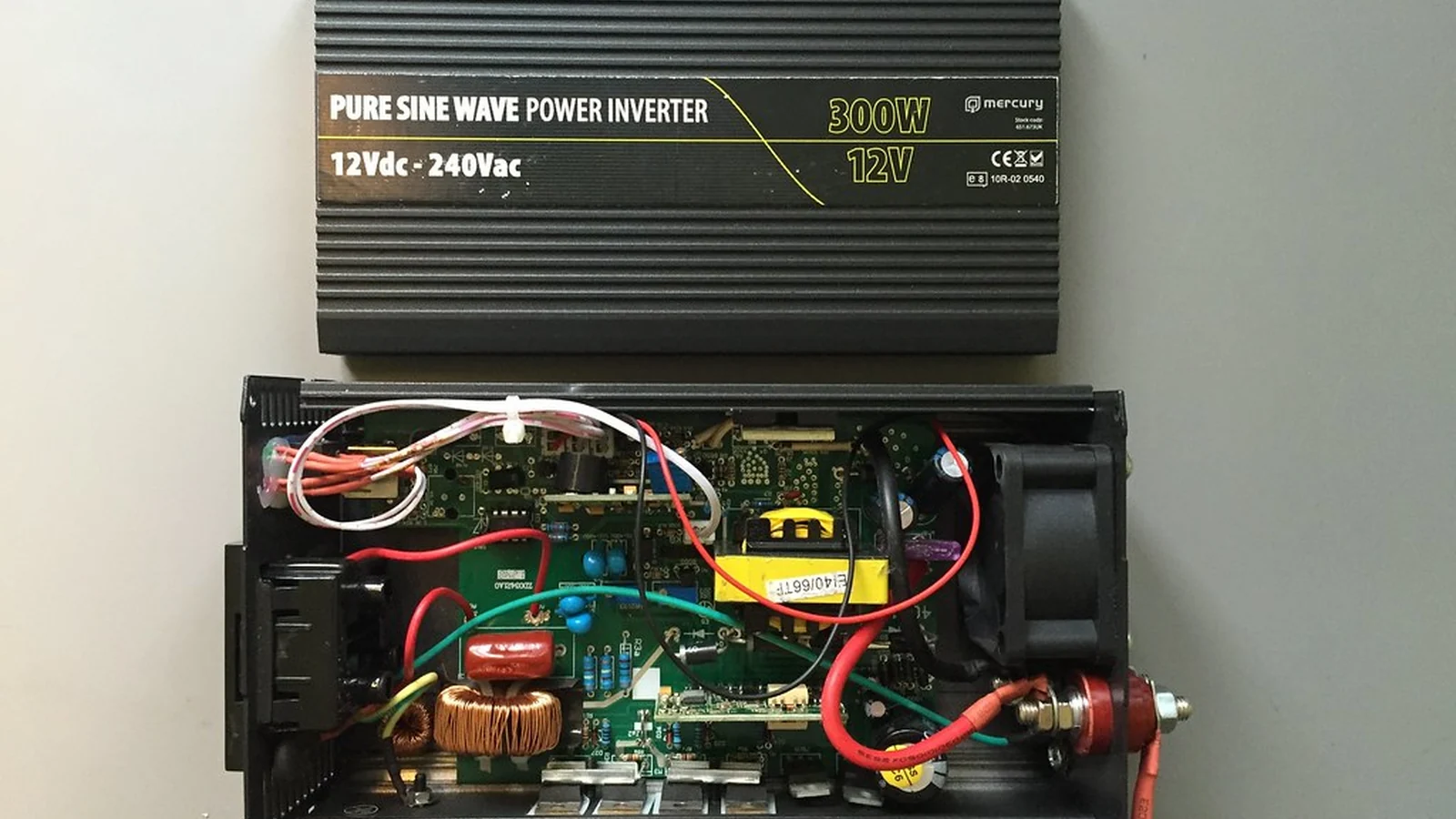
Spark-Free Starts – The Introduction
As rooftop solar adoption accelerates worldwide, safety professionals and installers are placing fire prevention at the forefront of photovoltaic system safety. While the risk of a rooftop solar panel fire remains statistically low, incidents linked to electrical faults have underscored the need for comprehensive fire safety standards, robust design protocols, and coordinated fire department response plans. According to research from the Society of Fire Protection Engineers, faulty wiring, inverter malfunctions, and DC arc faults are among the most common ignition sources. Industry leaders are now focusing on integrating rapid shutdown devices, arc fault circuit interrupters, and thermal imaging inspections into every rooftop solar installation to ensure electrical fire prevention and protect buildings and occupants.
Identifying Fire Risks in Rooftop Solar Installations
Solar panel fire hazards typically originate from electrical faults. DC arc faults, which occur when electrical current jumps between conductive materials, can ignite surrounding materials, especially near combiner boxes where high voltage resides before inversion from DC to AC. Faulty wiring and malfunctioning inverters also pose significant threats to solar inverter safety. The combustibility of roofing materials such as wood shakes or certain insulation types can exacerbate the spread once ignition occurs. As The Hartford notes, roofs without Class A fire ratings are more prone to rapid flame spread. Research also shows that the physical layout of panels can change the dynamics of fire spread by shifting heat, potentially complicating solar fire suppression efforts.
Design and Installation Best Practices
Fire safety begins with design and installation choices. Experts recommend rooftop solar installations on Class A fire-rated roofs to minimize combustion risk. Adequate spacing around and between panels—typically 4 to 6 feet—supports firefighter safety procedures by providing clear access for ventilation and suppression. As documented by the SolarPower Europe fire safety factsheet, panels and roof assemblies should be evaluated together to confirm compliance with fire endurance standards. Incorporating rapid shutdown devices enables emergency responders to isolate electrical hazards quickly. Installers should conform to electrical code compliance requirements, including module-level power electronics for electrical isolation, and use fire-resistant materials and proper roof penetration sealing to reduce ignition sources. Solar equipment certification and thorough solar installation inspection are non-negotiable steps in fire prevention protocols.
Maintenance and Monitoring Strategies
Even the best installations require ongoing solar system maintenance to ensure continued safety. Electrical system monitoring, including DC arc fault detection and ground fault protection, can identify problems before they result in fires. Routine thermal imaging inspections help detect hot spot formation and potential module overheating, which can lead to thermal runaway. Maintenance teams should follow a fire safety inspection checklist for solar systems, including regular checks on solar system grounding, inverter performance, and functionality of solar panel shutdown systems. According to energy safety guidelines from the U.S. Department of Energy, proactive solar system diagnostics drastically reduce the risks of electrical faults escalating into dangerous fires.
Emergency Preparedness and Response
Fire department protocols for buildings with solar installations must account for unique hazards. Even when a building’s main power is shut off, panels may remain energized—posing ongoing shock danger. Modern emergency shutdown procedures require clear placement of DC disconnect switches and labeling of shutoff locations, enabling quick action in the event of fire. As described by FireRescue1, arriving crews conduct a 360-degree assessment to identify photovoltaic systems and energy storage units. Adequate rooftop clearance supports firefighter access and safe ventilation hole creation. Rapid shutdown devices and visible placards make it easier to follow fire suppression guidelines while minimizing risk to personnel.
Shining a Safe Light – The Conclusion
Preventing electrical fires in solar installations hinges on a combination of smart design, stringent installation quality, continuous monitoring, and effective emergency response. As rooftop solar systems become more common, adherence to fire safety standards and integration of advanced safety equipment—such as arc fault circuit interrupters, rapid shutdown devices, and fire-resistant materials—will be essential. By following evaluated rooftop solar fire mitigation strategies, property owners, installers, and emergency services can work together to maintain the benefits of clean energy while ensuring every system operates with spark-free safety.
How to verify the numbers on this page
This page covers Preventing Rooftop Solar Fires: Practical Mitigation Strategies. Figures here depend on the exact model, site, policy, study, test method, operating conditions, system boundaries, and comparison baseline. Verify current manufacturer, regulator, standard, or primary-research documents before acting.