Solar Energy Education and Workforce Development: Skills, Training, and Job Pathways
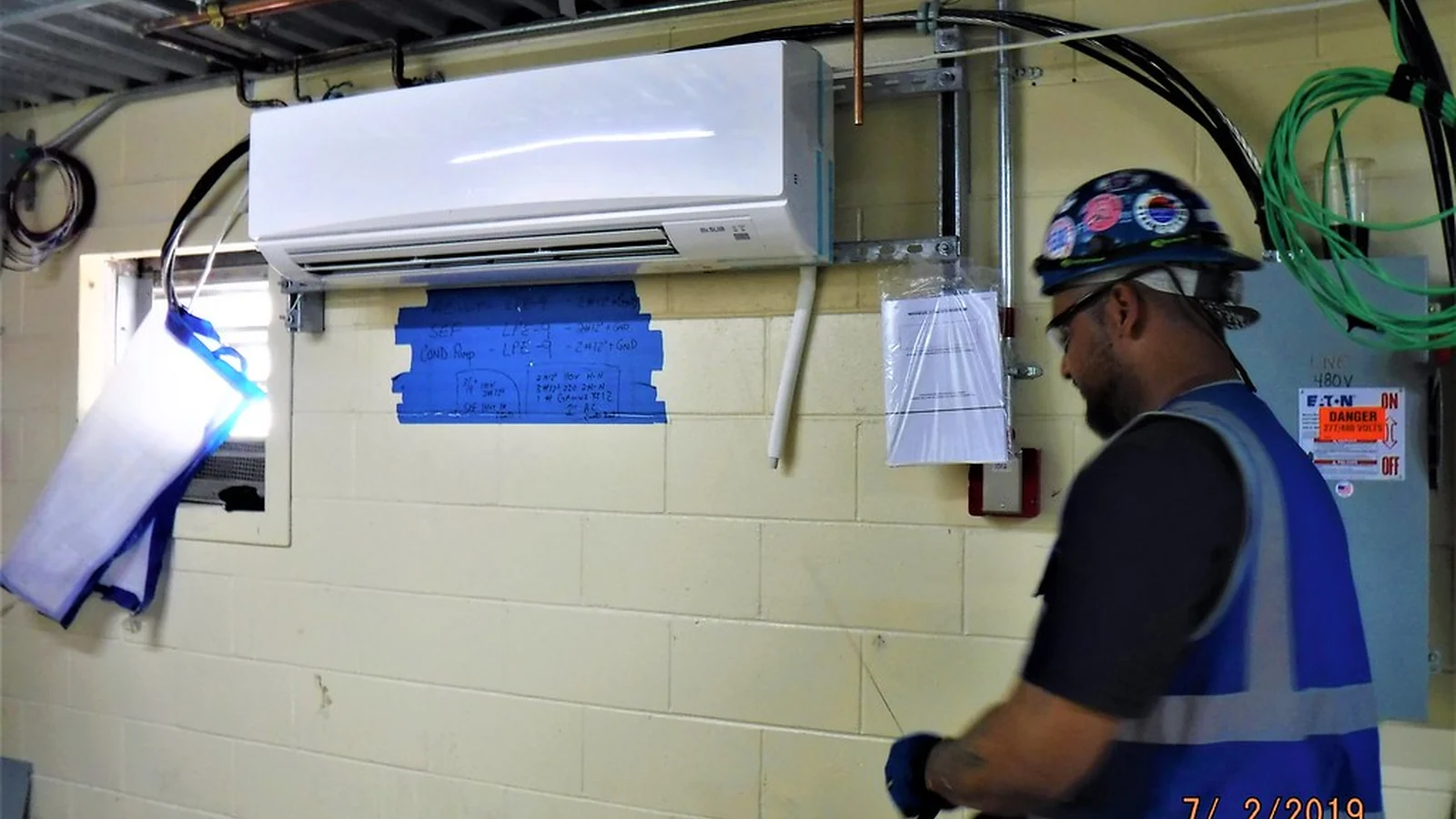
As solar energy transitions from an emerging technology to a cornerstone of our energy infrastructure, the need for skilled professionals across all sectors of the industry has never been more critical. With installations accelerating nationwide and manufacturing ramping up domestically, solar workforce development has become essential to achieving America's clean energy goals.
Explaining Solar Education
Solar careers span all education levels, creating diverse entry points for workers with varying backgrounds and qualifications. This accessibility has become one of the industry's greatest strengths, offering pathways from entry-level positions to specialized technical roles.
Educational pathways in solar energy typically include:
- Certificate programs: Short-term training focused on specific skills like installation techniques or electrical fundamentals
- Community college programs: Associate degrees in renewable energy or specialized solar technology
- Undergraduate and graduate degrees: Advanced programs in electrical engineering, sustainable energy systems, or business management with solar specializations
- On-the-job training: Apprenticeship models that provide hands-on experience while earning
What makes solar education particularly powerful is the rapid advancement opportunities it creates. In this relatively young industry, skilled workers can progress quickly from installation technicians to crew leaders and project managers, often in a fraction of the time required in more established sectors.
Bridging the Gap: Workforce Development in Solar Energy
Despite impressive growth, the solar industry faces significant workforce challenges. Nearly 90% of solar employers report difficulty filling positions, though these challenges have somewhat improved, dropping from 44% in 2022 to 26% in 2024, according to recent industry census data.
Key workforce development strategies include:
- Industry-education partnerships creating tailored training programs
- Dedicated recruitment of veterans, displaced workers from other energy sectors, and rural communities
- Diversification efforts to build a workforce representative of the communities served
The Department of Energy has prioritized workforce development as critical to meeting national deployment goals, implementing initiatives specifically designed to reach potential recruits who may not be aware of solar career opportunities.
What to watch next
As of late 2025, the U.S. solar industry employs an impressive 280,119 workers, with an additional 93,497 in battery storage. This reflects the industry's maturation after years of explosive growth. More telling is the projection of 42% job growth over the next decade, far outpacing most other industries.
The sector distribution reveals where opportunities are concentrated:
- Manufacturing: Currently employing 32,491 workers with potential to reach 75,000 by decade's end as new domestic facilities come online
- Operations and maintenance: The fastest-growing sector, critical for sustaining the expanding installed base
More specialized roles and management positions command significantly higher compensation, creating legitimate career paths with long-term stability.
The Inflation Reduction Act is expected to drive hundreds of thousands of additional jobs, with particular emphasis on skilled roles in O&M and manufacturing as automation transforms the industry's operational model.
Illuminating Success Stories
These range from specialized installation firms to large-scale developers and manufacturers, creating diverse professional environments.
California leads with 78,982 solar jobs, but significant growth is occurring across the country, including in states not traditionally associated with renewable energy. This geographic diversity creates opportunities for workers without requiring relocation to coastal technology hubs.
Career transitions have become a hallmark of solar workforce development. Former oil and gas workers, construction professionals, and military veterans have found solar careers particularly accessible due to transferable skills and industry-specific training programs designed to accommodate their backgrounds.
What's particularly notable is how the industry has improved labor efficiency while creating more specialized positions. While jobs increased 12% from 2019-2024, installed capacity grew by an astonishing 286% during the same period, according to sector analysis data. This efficiency demonstrates the industry's maturation and indicates that future jobs will increasingly require specialized technical knowledge.
The Path Forward
For the solar industry to continue its trajectory, several workforce development priorities must be addressed:
- Expanding training capacity to meet projected demand
- Adapting education to address emerging technologies like AI-enhanced system monitoring and advanced storage integration
- Creating standardized credentials that allow worker mobility across states
- Developing specialized training for the unique requirements of utility-scale projects
Employers increasingly stress ongoing training to address skill gaps, as automation shifts demand toward specialized roles. The percentage of new hires remains high—37% in installation jobs, 42% in manufacturing, and 53% in operations and maintenance—highlighting both growth and turnover challenges that must be managed.
For individuals considering solar careers, the industry offers rare combination of accessibility, growth potential, competitive compensation, and purpose-driven work. Those entering the field now can expect to ride the wave of what will likely be decades of continued expansion as the energy transition accelerates.
As we look ahead, the solar workforce represents not just jobs, but careers with the potential to transform both individual lives and our energy infrastructure. The industry's continued success depends on thoughtful workforce development that anticipates needs while creating equitable access to these growing opportunities.
How to verify the numbers on this page
This page covers Solar Energy Education and Workforce Development: Skills, Training, and Job Pathways. Figures here depend on the exact model, site, policy, study, test method, operating conditions, system boundaries, and comparison baseline. Verify current manufacturer, regulator, standard, or primary-research documents before acting.
Next article →