Developments in Solar Energy for Smart Agriculture: Practical Uses, Tradeoffs, and Limits
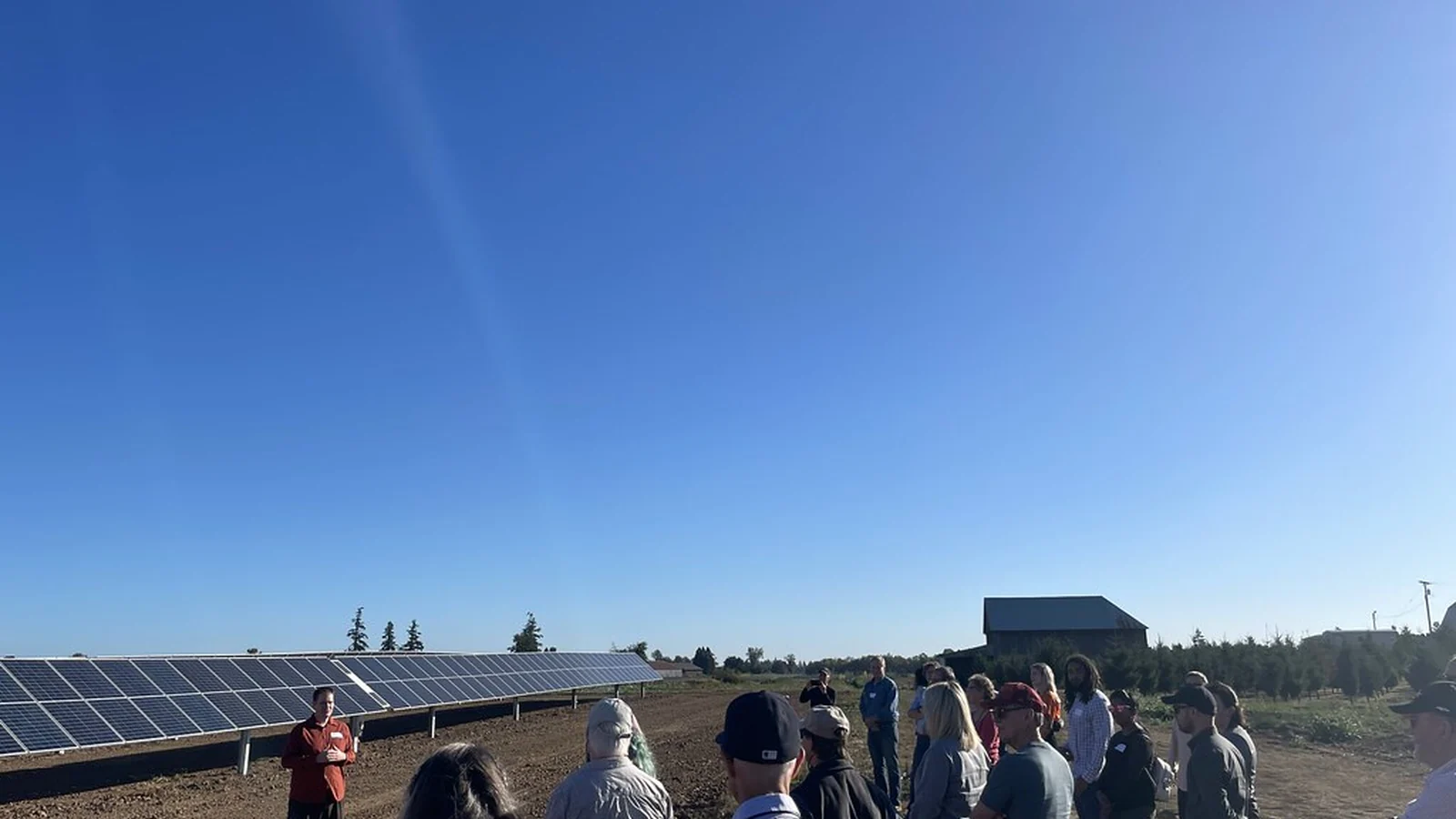
This page covers solar-energy developments for smart agriculture. Practical agrivoltaics design and grazing projects are the sibling guides.
The Solar Revolution in Agriculture
The agricultural sector is experiencing a significant shift as solar energy technologies merge with smart farming practices, creating unprecedented opportunities for sustainability and efficiency. This revolution goes far beyond simply replacing conventional energy sources—it's fundamentally changing how modern farms operate.
Today's solar-powered smart agriculture integrates renewable energy with technologies like IoT sensors, precision farming tools, and agricultural automation systems to enhance productivity while reducing environmental impact. These integrated systems enable farmers to monitor critical variables including soil moisture, temperature, and nutrient levels in real-time, driving data-informed decisions that optimize resource use.
The impact of this solar revolution extends beyond individual farms. By reducing agriculture's dependence on fossil fuels, which currently accounts for nearly one-third of global greenhouse gas emissions, solar innovations are addressing climate challenges while strengthening food security—particularly in remote or off-grid rural areas where conventional energy infrastructure is limitlar Technologies
newer Solar Technologies
Agrivoltaics: Growing Crops and Energy Together
Agrivoltaics, also known as Agri-PV, represents one of the most innovative approaches to solar integration in agriculture. This dual-use system combines solar panel installations with crop cultivation or livestock grazing on the same land, maximizing productivity per acre—a critical advantage in land-scarce regions.
The benefits extend well beyond space efficiency. Solar panels provide strategic shade that reduces water evaporation by up to 30%, protects crops from extreme weather events, and creates beneficial microclimates that can actually improve yields. Research from the National Laboratory of the Rockies (formerly NREL) shows that certain crops—particularly tomatoes, leafy greens, and some berry varieties—actually produce higher yields under partially shaded conditions created by overhead panels due to reduced heat stress and optimized photosynthesis conditions.
Advanced agrivoltaic designs include:
- Elevated panel structures that allow for standard farm equipment passage
- Tracking systems that adjust panel angles based on crop needs throughout growing seasons
- Semi-transparent photovoltaics that filter specific light wavelengths to optimize plant growth
Smart Irrigation and Precision Agriculture Tools
Solar-powered irrigation systems represent another development technology changing agricultural practices. These systems combine photovoltaic panels with efficient water pumps and smart controls, enabling precise water delivery based on real-time soil conditions rather than fixed schedules.
When integrated with IoT sensors and automation systems, these off-grid solutions deliver multiple benefits:
- Reduced water waste through precision application based on soil moisture data
- Lower operational costs by eliminating diesel fuel for pumps
- Automated operation that optimizes irrigation timing and volume
- Enhanced crop yields through consistent, optimal soil moisture levels
Beyond irrigation, solar energy powers a growing ecosystem of precision agriculture tools—from drone systems for crop monitoring to automated pest detection networks—that collectively enable data-driven farming practices previously impossible without reliable, distributed power sources.
Innovative Applications: From Field to Storage
The solar revolution extends across the entire agricultural value chain, with innovative applications including:
- Solar greenhouses: Utilizing photovoltaic glass or roof-mounted panels to create year-round growing environments with precisely controlled conditions
- Solar dryers: Enabling efficient dehydration and preservation of produce without the mold and contamination risks of traditional sun drying
These technologies are particularly significant in developing agricultural regions, where projects in Nigeria and India have demonstrated significant improvements in farmer income through extended crop storage life and higher-quality pry in Agriculture
Benefits of Solar Energy in Agriculture
Economic Advantages
The economic case for solar adoption in agriculture continues to strengthen as technology costs decline and energy prices rise. Farmers implementing solar solutions typically experience:
- Potential for additional income through energy sales to the grid or community energy programs
- Increased property values and expanded business opportunities
- Enhanced crop yields and quality through precision resource management
- Reduced vulnerability to volatile energy price fluctuations
As Statkraft's research on AgriPV demonstrates, these dual-use systems create new employment opportunities in rural communities while diversifying farm income sources—critical factors for agricultural sustainability.
Environmental and Sustainability Impact
The environmental benefits of solar-powered smart agriculture extend far beyond carbon reduction:
- Decreased greenhouse gas emissions from both energy use and more efficient resource application
- Reduced water consumption through precision irrigation and evaporation control
- Lower chemical inputs through targeted application enabled by solar-powered monitoring systems
- Enhanced biodiversity in agrivoltaic settings compared to conventional mono-crop systems
- Preservation of agricultural land quality through reduced mechanical intervention
These environmental advantages increasingly translate to market benefits as consumers and supply chains prioritize sustainably produced agricultural products.
Challenges and Solutions
Despite potential benefits, several challenges must be addressed to accelerate solar adoption in agriculture:
Economic Barriers and Financing Solutions
The initial capital investment for comprehensive solar systems remains significant, particularly for small and medium-sized farms. Innovative approaches addressing this challenge include:
- Agricultural-specific solar leasing programs with seasonal payment structures aligned with harvest cycles
- Community solar projects that allow multiple farms to share costs and benefits
- Grant programs and tax incentives specifically targeting agricultural solar applications
- Power purchase agreements that eliminate upfront costs for farmers
Technical and Implementation Challenges
Integration with existing farm systems and optimization for specific agricultural contexts present ongoing challenges:
- Compatibility issues between legacy equipment and new solar-powered systems
- Need for specialized expertise in both agriculture and renewable energy
- System durability concerns in harsh agricultural environments
- Energy storage limitations for overnight or processing operations
Manufacturers are increasingly addressing these challenges with ruggedized components, simplified user interfaces, and modular designs that can be expanded or modified as needs change.
Land Use Considerations
Concerns about removing productive land from cultivation for solar installations have driven innovation in space-efficient designs. Dual-use approaches that maintain or enhance agricultural productivity while generating energy represent the most promising path forward.
Future Prospects of Solar in Agriculture
The integration of solar energy with smart agriculture is still in its early stages, with several exciting developments on the horizon:
Emerging Technologies
- AI-powered optimization systems that continuously adjust energy allocation between agricultural operations based on real-time needs
- Advanced energy storage solutions enabling 24-hour operation of critical systems
- Integrated systems combining solar with other renewable sources like biogas from agricultural waste
- Next-generation semi-transparent and flexible photovoltaics designed specifically for agricultural applications
Scaling and Global Adoption
The greatest potential impact lies in bringing solar-powered smart agriculture to regions currently underserved by conventional energy infrastructure. Projects demonstrating how solar enhances agricultural resilience in developing regions show particular promise for addressing global food security challenges while advancing climate goals.
What to watch next
Solar energy is fundamentally changing agriculture's relationship with resources, changing farms from energy consumers to energy producers while enabling precision techniques that were previously impossible. For farmers considering this transition, starting with targeted applications like irrigation or monitoring systems often provides the clearest path to understanding the potential benefits for specific operations.
As climate pressures increase and technology costs continue to fall, solar-powered smart agriculture isn't just an option—it's increasingly becoming the most economically and environmentally sound path forward. The farms that thrive in coming decades will likely be those that successfully harness both the sun's energy and the intelligence of integrated systems to produce more with less while building resilience against an uncertain climate future.