Solar-Powered Irrigation Systems: Harvesting Sunshine for Sustainable Watering
Sunlit Beginnings: What Is Solar-Powered Irrigation?
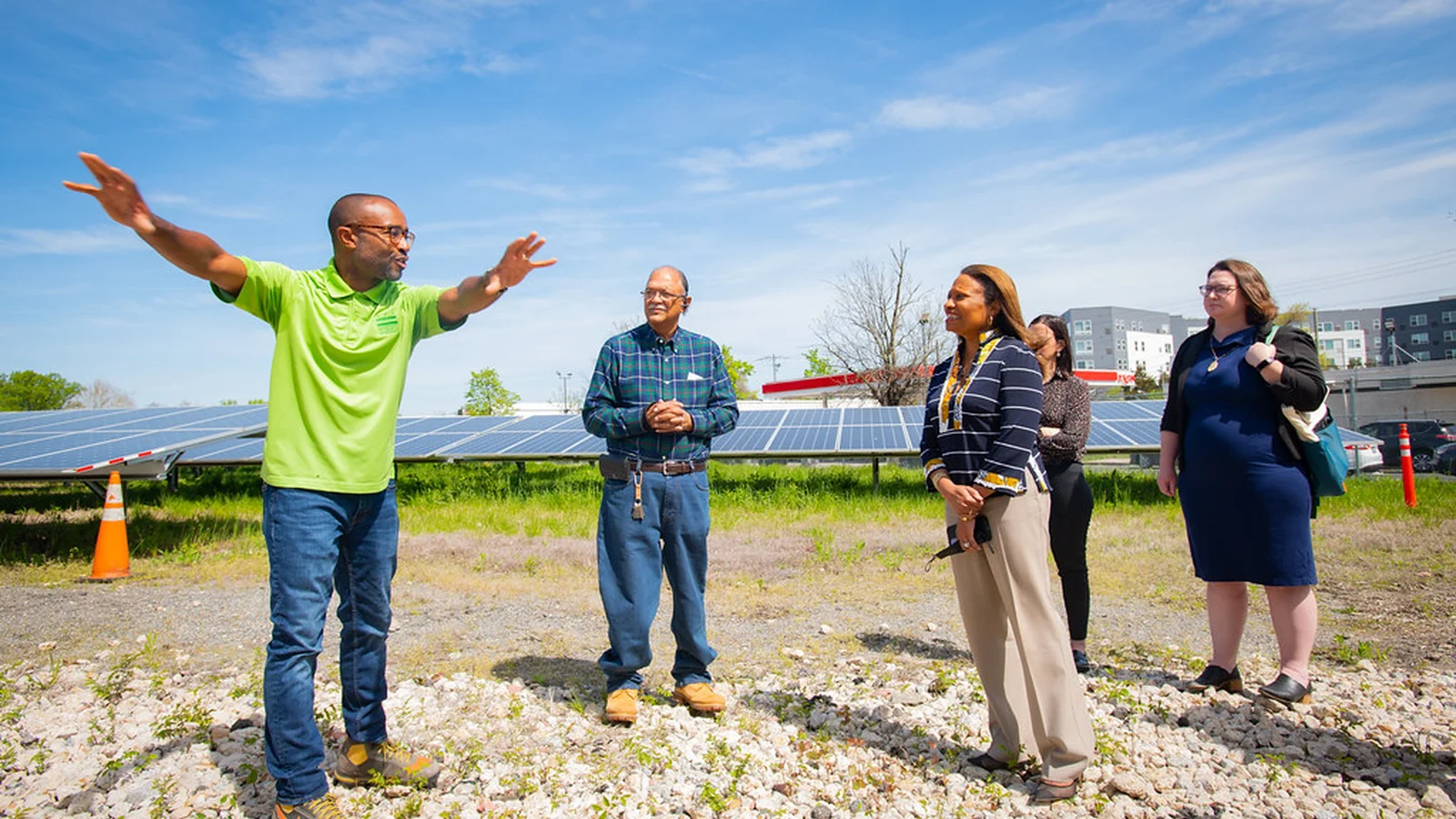
Solar-powered irrigation systems (SPIS) merge photovoltaic systems with modern agricultural technology to deliver water efficiently to crops without relying on fossil fuels. These systems use solar panels to convert sunlight into electricity, driving water pumps to feed drip irrigation, sprinkler systems, or surface irrigation setups. SPIS are finding particular traction in regions with abundant sun and limited access to grid electricity, enabling off-grid irrigation in rural and remote farming communities.
Configurations vary, from small-scale solar irrigation kits for garden plots to commercial-scale systems for large farms or greenhouses. By eliminating diesel or grid dependency, SPIS avoid greenhouse gas emissions while lowering operational costs.
The Bright Side: Key Benefits of Solar Irrigation
SPIS deliver multiple layers of value in sustainable farming and renewable energy adoption:
- Environmental Sustainability: Reduced carbon footprint through fossil-free pumping (World Bank).
- Cost Savings: Lower energy bills and insulation from fuel price volatility.
- Water Reliability: Continuous supply in sunny climates supports precision agriculture and smart irrigation strategies.
- Versatility: Compatibility with solar batteries for night use and integration with automated watering systems for efficient water management.
Still, experts warn of challenges, including higher upfront costs and potential groundwater depletion if not managed within sustainable water management frameworks (Utah State University Extension).
System Essentials: Main Components and How They Fit
The architecture of SPIS blends core green farming technology components:
- Solar Panels: Capture sunlight to generate electrical power.
- Photovoltaic Water Pumps: Surface or submersible pumps driven by solar-produced electricity.
- Inverters: Convert direct current (DC) from panels to alternating current (AC) for compatible equipment.
- Irrigation Controllers: Supervise flow rates and automate schedules.
- Reservoirs and Pressure Tanks: Store water and regulate delivery pressure.
- Irrigation Systems: Including drip irrigation, sprinkler systems, or pivot mechanisms suited to crop type.
Hybrid configurations may combine solar arrays with diesel backup pumps, enhancing reliability during prolonged cloudy weather (Energypedia).
Planning Your Setup: Site Assessment and Sizing
Proper design starts with a comprehensive site assessment. Farmers should evaluate:
- Solar Resource Availability: Average daily sun hours.
- Water Source & Quality: Wells, rivers, or reservoirs feeding the pump.
- Irrigation Demand: Volume required for chosen crops in the growing season.
- System Sizing: Calculating solar panel capacity to match pump power requirements.
- Energy Storage Needs: Inclusion of solar batteries for night-time or cloudy day operation.
Consulting with solar irrigation specialists helps answer common questions such as “What size solar panel do I need for irrigation pump?” and “Can solar irrigation systems work at night?”
From Blueprint to Field: Installation and Commissioning
Once designed, solar-powered agriculture projects move through installation:
- Mounting solar arrays with optimal orientation and tilt.
- Connecting panels to an inverter and charge controller if using batteries.
- Installing pumps — surface-mounted for shallow sources or submersible for deeper wells.
- Integrating irrigation controllers and plumbing into drip lines or automated watering systems.
- Conducting commissioning tests on flow rate, pressure, and controller programming.
Industry-standard solar irrigation system design ensures compatibility and efficiency for both smallholder and commercial operations.
Keeping It Flowing: Maintenance and Troubleshooting
Although SPIS are low-maintenance compared to diesel alternatives, ongoing care is essential. A solar irrigation system maintenance guide typically includes:
- Cleaning solar panels regularly to maintain efficiency.
- Inspecting wiring and connections for wear or corrosion.
- Checking pumps, filters, and valves for clogs or leaks.
- Servicing pressure tanks and irrigation controllers periodically.
- Monitoring water usage to prevent over-irrigation and resource depletion.
Common troubleshooting involves diagnosing reduced water flow, which may stem from panel shading, pump obstructions, or controller faults.
Harvesting Tomorrow: Taking the Next Step
As costs for renewable irrigation solutions decline and innovations in farm automation rise, the opportunity for climate-smart agriculture expands. SPIS have already helped smallholder farmers in Africa and Asia boost yields, diversify crops, and reduce manual labor burdens (World Bank, Practical Action).
Whether it’s solar-powered sprinkler systems for agriculture, solar irrigation systems for greenhouses, or solar powered irrigation for desert farming, adoption hinges on reliable design, sustainable water management, and farmer training. The ROI calculation for these systems often shows payback within a few years, particularly where grid power is costly or unreliable.
For farms looking to future-proof against energy and water scarcity, moving toward eco-friendly agriculture by harnessing sunlight for irrigation isn’t just about today’s crop—it’s investing in tomorrow’s harvest.
How to verify the numbers on this page
This page covers Solar-Powered Irrigation Systems: Harvesting Sunshine for Sustainable Watering. Figures here depend on the exact model, site, policy, study, test method, operating conditions, system boundaries, and comparison baseline. Verify current manufacturer, regulator, standard, or primary-research documents before acting.