Introduction: A New Era of Energy Stability
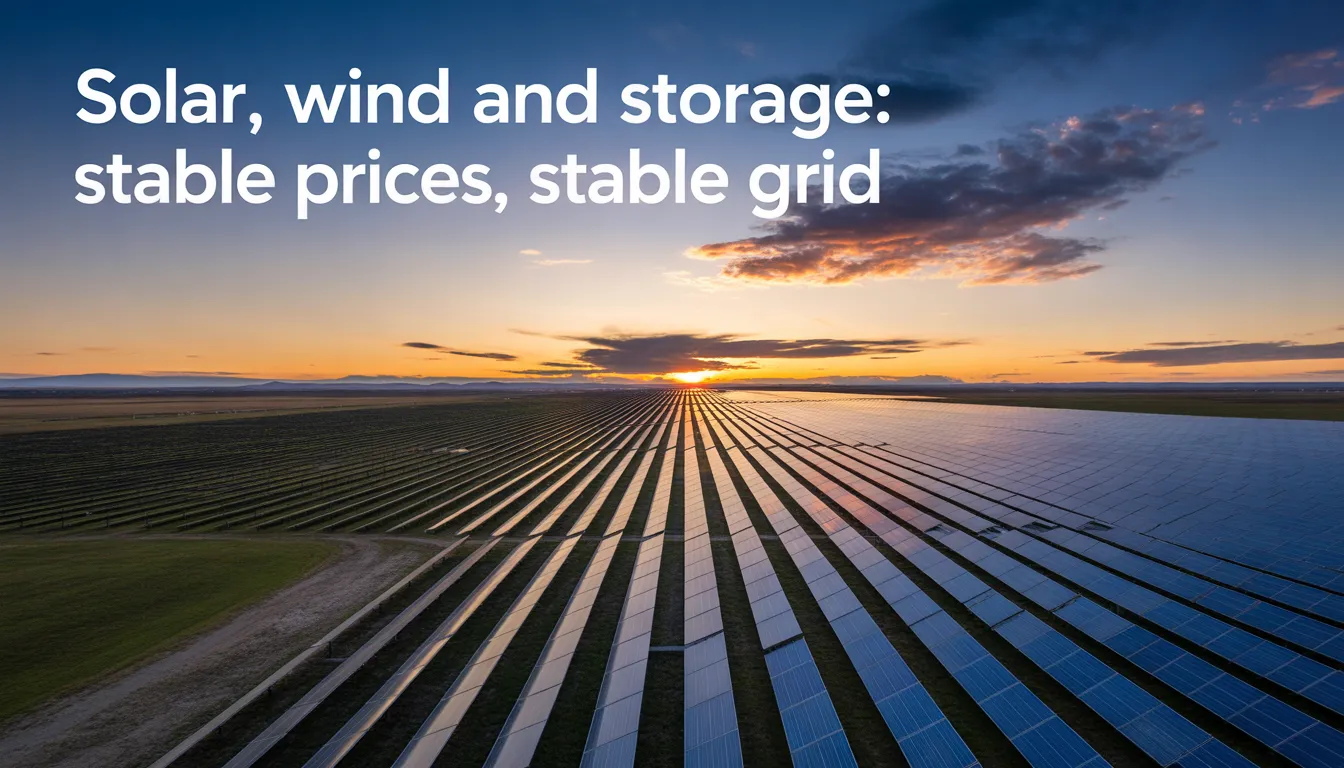
The transition to renewable energy sources such as solar and wind is not just a trend; it’s a transformative shift that is stabilizing electricity prices globally. Recent developments indicate that the integration of battery storage with renewable energy can enhance grid stability while keeping costs low. As countries like Australia showcase the benefits of this approach, it’s clear that a renewable-powered future is both achievable and economically beneficial.
Impact on Wholesale Electricity Prices
One of the most significant advantages of large-scale solar and wind deployment is the reduction in wholesale electricity prices. As fuel-free renewables displace fossil-fuel generators, they effectively lower the marginal cost of electricity. In markets where renewables have gained traction, evidence shows a decrease in price volatility and even suppressed wholesale prices during peak demand periods.
- Solar and wind technologies contribute to a more resilient energy grid.
- Battery storage facilitates the shifting of renewable energy into high-demand hours, further constraining peak prices.
- Empirical data from regions like Australia, parts of the U.S., and Europe highlights these price dynamics.
Enhancing Grid Stability with Storage Solutions
Battery energy storage plays a critical role in maintaining grid stability amidst a growing share of variable renewables. Advanced storage systems offer several services that are essential for a reliable energy supply:
- Frequency Regulation: Helps maintain the balance of supply and demand on the grid.
- Fast Reserve: Provides backup power during unexpected outages.
- Ramping Support: Adjusts power output quickly to meet changes in demand.
When combined with advanced inverter technology, battery systems can emulate traditional synchronous machines, enhancing system inertia and voltage control—critical factors for grid reliability.
The Economics of Renewables and Storage
The financial landscape for solar, wind, and storage technologies is becoming increasingly favorable. The costs of solar modules, wind turbines, and battery packs have significantly declined, driven by:
- Increased manufacturing scale and efficiency.
- Improvements in supply chain logistics.
- Market incentives such as tax credits and capacity payments.
These developments translate to a lower levelized cost of energy (LCOE) for new projects, making the prospect of co-located storage more attractive. This strategic pairing not only improves capacity factor capture but also enhances the reliability of energy supply.
Market Design and Policy Considerations
The successful integration of renewables and storage into the energy market relies heavily on effective policy and regulatory frameworks. Key strategies include:
- Implementing capacity markets that reward long-duration reliability.
- Creating ancillary-service markets that value rapid response capabilities.
- Developing interconnection reforms to minimize energy curtailment.
As outlined by industry experts, evolving these rules is essential for maximizing the benefits of renewables and storage in achieving both cost efficiency and grid reliability.
Broader Implications: Social and Geopolitical Factors
The shift towards a renewable-centric energy system carries notable societal benefits, including:
- Improved air quality and reduced carbon emissions.
- Increased energy access for remote and underserved communities through microgrid solutions.
- Decreased vulnerability to fossil fuel price fluctuations.
However, challenges remain, such as ensuring equitable access to renewable resources and addressing supply chain vulnerabilities for critical minerals. Policymakers must consider these factors to maximize public benefits while facilitating the transition.
Conclusion: The Path Forward
The integration of solar, wind, and storage technologies presents a robust solution for stabilizing electricity prices and ensuring a resilient grid. As the costs of these technologies continue to decline and market structures evolve, the potential for a cleaner, more sustainable energy future becomes increasingly attainable. Stakeholders in the energy sector must work collaboratively to navigate the challenges and seize the opportunities presented by this renewable revolution.