Trina Solar's Strategic Exit: Sale of 5 GW U.s. Module Plant to T1 Energy
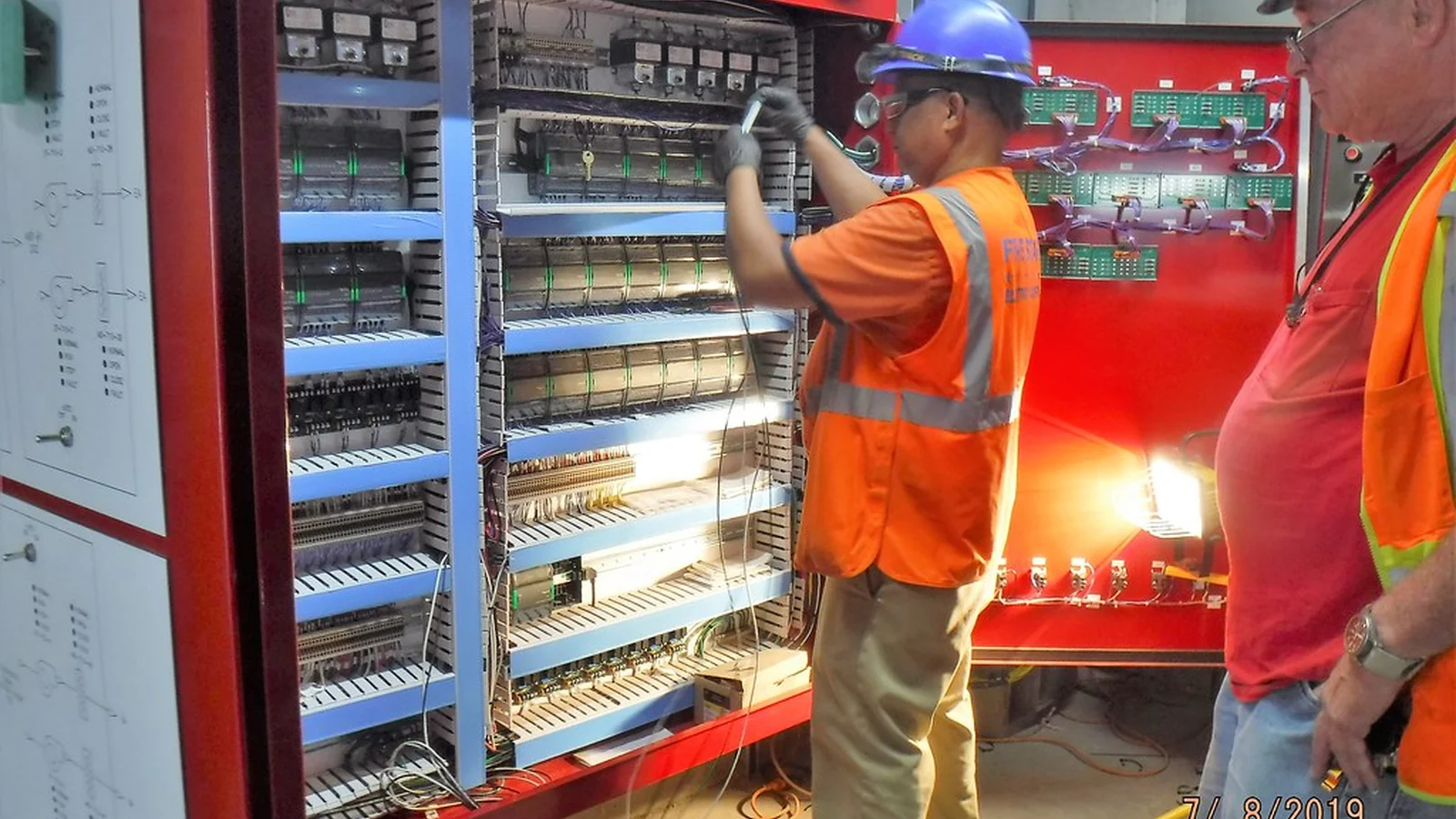
This transaction, finalized on December 23, 2025, represents Trina's strategic exit from direct U.S. manufacturing while allowing it to maintain a minority equity stake in the facility.
Transaction Details and Implications
The sale, authorized by Trina's board in November 2024, marks a material shift in the company's operational strategy. Trina has faced increasing challenges in the U.S. market, particularly due to evolving trade policies and tariffs impacting its operations. By divesting its manufacturing assets, Trina aims to streamline its focus on core markets in Asia and enhance its overall operational efficiency.
- Date of Sale: December 23, 2025
- Location: Dallas, Texas
This sale was facilitated by an approval from the Committee on Foreign Investment in the United States (CFIUS), ensuring that national security concerns were adequately addressed. This aspect highlights the increasing scrutiny on foreign investments in U.S. manufacturing, particularly in the renewable energy sector.
T1 Energy: A New Player in U.S. Solar Manufacturing
T1 Energy, previously known as Freyr, is transitioning from its origins in battery manufacturing to become a key player in solar module production. With the acquisition of Trina’s facility, T1 aims to bolster its manufacturing capabilities and supply commitments.
Future Prospects for T1 Energy
This strategic expansion aligns with the growing demand for domestically produced solar components, especially in light of recent federal incentives from the Inflation Reduction Act, which provides tax credits for domestic production.
Broader Context: The U.S. Solar Manufacturing Landscape
The sale of Trina's facility comes at a time of rapid growth for solar capacity in the United States. The U.S. This includes the enforcement of tariffs on solar imports from Southeast Asia and adherence to the Uyghur Forced Labor Prevention Act, which collectively push for greater supply chain independence.
Conclusion: Navigating What Comes Next for Solar Energy
Trina Solar's divestment and T1 Energy's acquisition reflect critical shifts in the renewable energy sector as companies adapt to changing market dynamics and regulatory environments. For consumers and industry stakeholders alike, these developments signify a strong commitment to enhancing solar energy production capabilities while addressing sustainability goals and economic growth.
As the solar industry continues to evolve, the focus will remain on innovations that enhance efficiency, affordability, and accessibility, paving the way for a sustainable energy future.
Sources
- pv-magazine-usa.com
- Trina Solar Completes 5GW U.S. Module Sale
- Trina Solar completes sale of 5 GW U.S. module plant to T1 Energy
Sources fetched and checked on August 15, 2026; quotes were verified verbatim on a random 12-record sample. Program details and figures can change — confirm current status against the official source before acting.
Next article →