
The Essence of Sustainability
Sustainability represents humanity’s commitment to meeting present needs without compromising the ability of future generations to meet theirs. At its core, sustainability is about creating a delicate balance between human consumption patterns and the natural world’s regenerative capacity.
The concept extends beyond mere environmental conservation, encompassing three interconnected pillars: environmental protection, social equity, and economic viability. This triple bottom line approach recognizes that true sustainable development must harmonize these elements rather than prioritizing one at the expense of others.
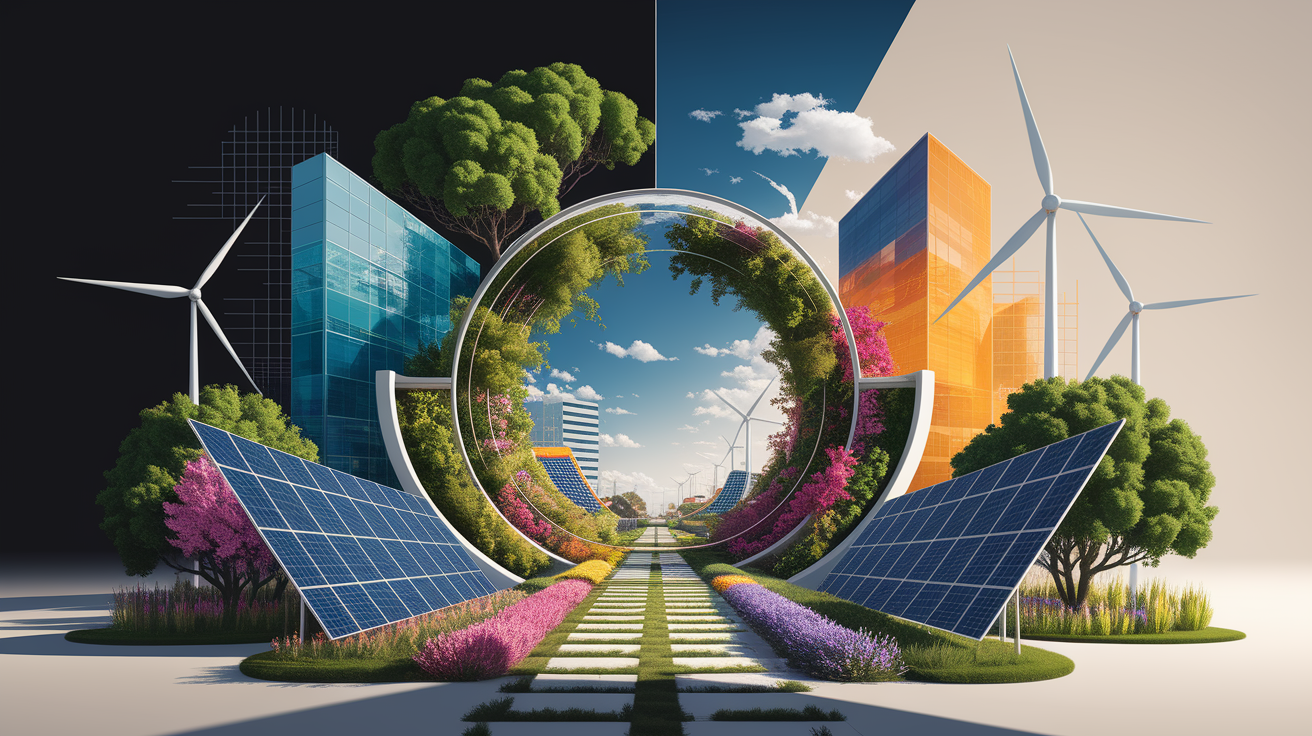
When we examine sustainability through an environmental lens, we’re focusing on maintaining ecological balance while preserving biodiversity and natural resources for generations to come. The principle of productive harmony between humanity and nature forms the foundation of environmental sustainability practices worldwide.
Today’s sustainability frameworks recognize that we’re operating within defined planetary boundaries. These scientific concepts establish ecological limits within which humanity can safely operate—thresholds we exceed at our peril. Understanding these boundaries helps inform policy decisions and technological innovations that drive meaningful progress.
Environmental Impact: A Closer Look
Environmental impact encompasses the full spectrum of alterations to our natural world resulting from human activities. These changes affect everything from local air quality to global climate patterns, manifesting across multiple scales and timeframes.
The most significant drivers of environmental degradation include:
- Greenhouse gas emissions – Carbon dioxide, methane, and other heat-trapping gases that contribute to global warming and climate change
- Deforestation – Reducing the planet’s natural carbon sinks while destroying critical habitats
- Pollution – Contamination of air, water, and soil with harmful substances that disrupt ecosystems
- Resource depletion – Overconsumption of finite materials that cannot be readily replenished
Understanding these impacts requires examining both immediate and long-term consequences. For instance, urban smog creates immediate health hazards for local populations, while carbon emissions contribute to planetary-scale climate shifts that unfold over decades.
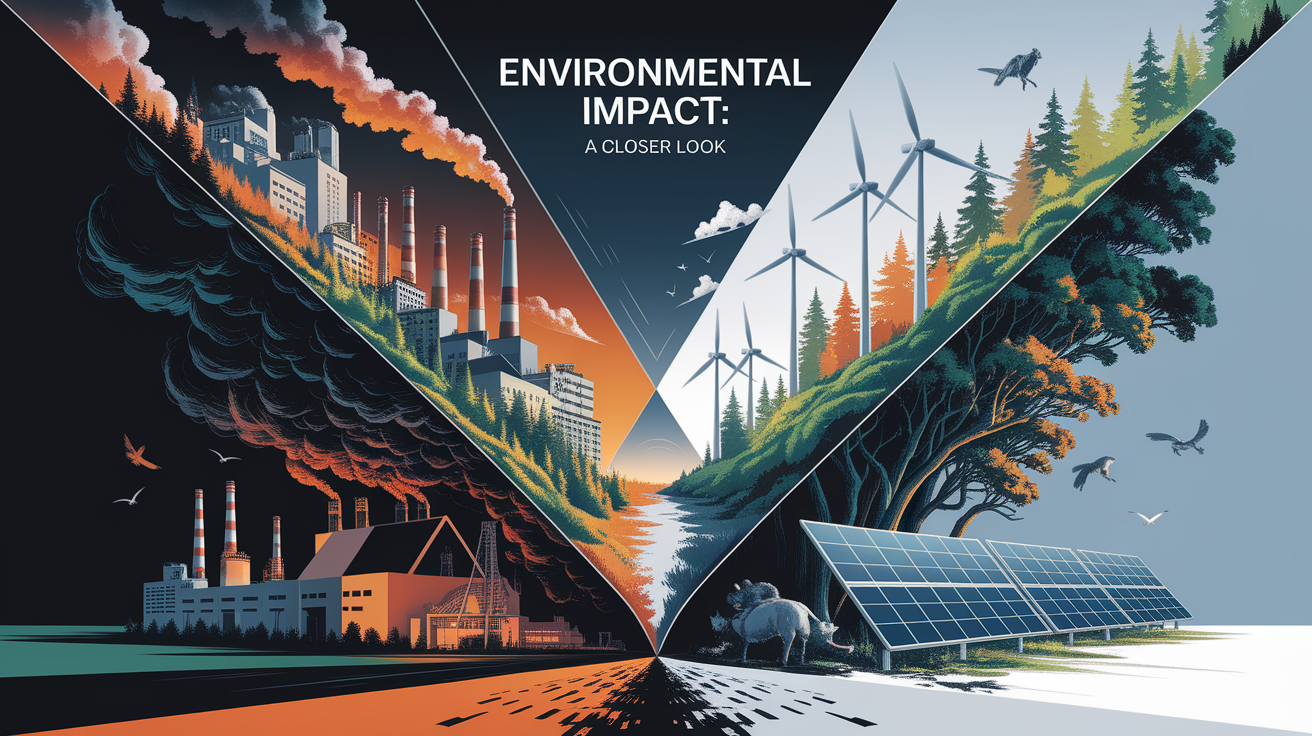
The interrelationship between environmental impacts is particularly concerning. Take plastic pollution, which not only damages marine ecosystems directly but also releases greenhouse gases during production and decomposition—a double climate penalty that exemplifies how environmental challenges compound one another.
Measuring Our Footprint
Quantifying environmental impact helps organizations and individuals make informed decisions. Tools like carbon footprint calculators translate abstract concepts into concrete metrics that drive accountability. For the average American household, this footprint typically exceeds 48 tons of CO2 equivalent annually—a number that must decrease substantially to align with climate goals.
Environmental impact assessments now incorporate sophisticated modeling techniques that evaluate potential consequences before projects begin, allowing for mitigation measures that minimize harm to ecosystems while still enabling necessary development.
Sustainable Practices in Everyday Life
Transitioning to sustainable living doesn’t require radical lifestyle overhauls. Instead, a series of thoughtful adjustments can collectively yield significant environmental benefits. The most impactful changes often begin at home.
Energy Efficiency and Renewable Sources
Residential energy consumption represents a major portion of many households’ environmental impact. Simple efficiency upgrades yield immediate benefits:
- LED lighting reduces electricity use by up to 75% compared to incandescent bulbs
- Smart thermostats can lower heating and cooling costs by 10-15%
- Energy Star appliances minimize consumption while maintaining performance
- Home insulation improvements reduce heating and cooling demands year-round
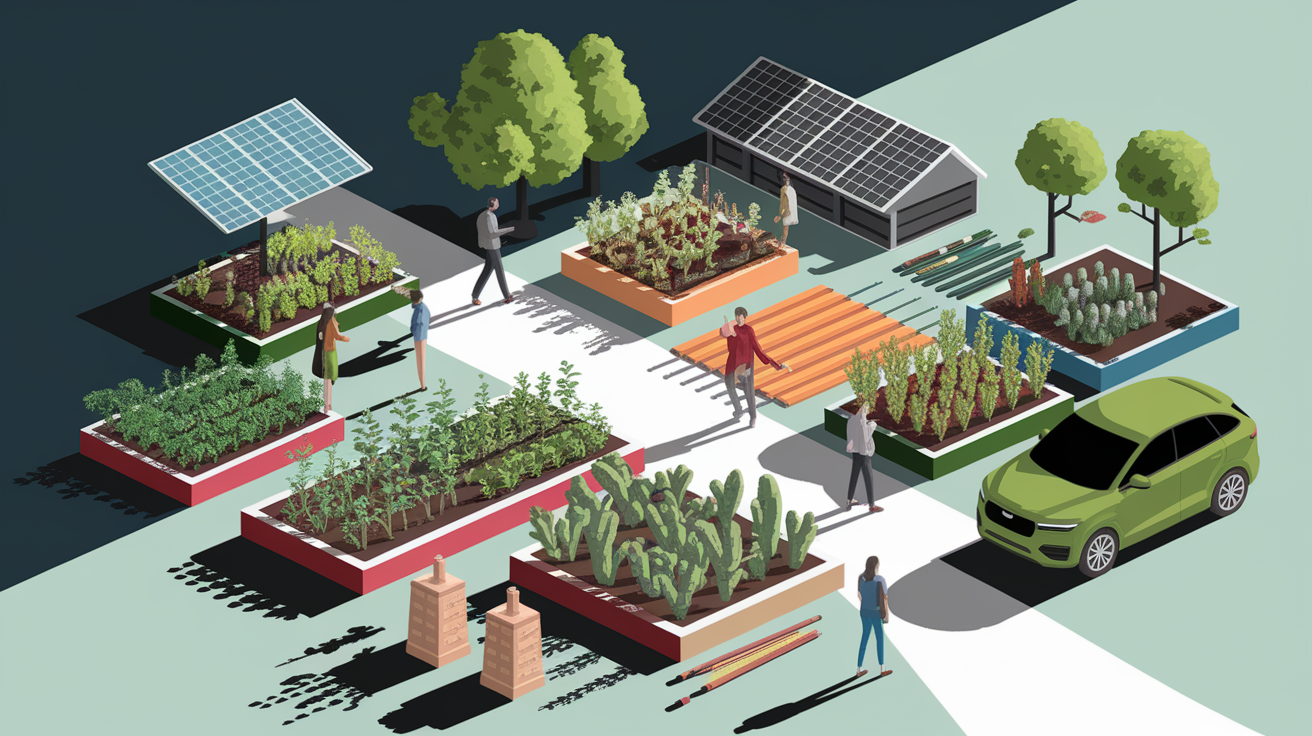
Beyond efficiency, transitioning to clean energy sources dramatically reduces household emissions. Solar power installations have reached price parity with conventional electricity in many regions, making renewable energy both environmentally and economically advantageous for homeowners.
Waste Reduction Strategies
The circular economy model offers a framework for minimizing waste through conscious consumption and materials recovery. Practical applications include:
- Choosing products with minimal packaging or recyclable materials
- Composting food scraps and yard waste to create nutrient-rich soil
- Repairing items rather than replacing them whenever possible
- Donating usable goods rather than discarding them
Eco-conscious consumers increasingly seek biodegradable materials that break down naturally without leaving harmful residues. This shift in purchasing patterns sends powerful market signals that drive industry innovation toward more sustainable product lifecycles.
The Future of Sustainability
Technological advancement and policy evolution are creating unprecedented opportunities for environmental progress. The coming decade will likely see accelerated transformation across multiple sectors as sustainability shifts from aspiration to implementation.
Green technology breakthroughs are particularly promising in energy storage, which addresses intermittency challenges that have historically limited renewable adoption. Next-generation batteries utilizing abundant materials like sodium and iron could enable cost-effective grid-scale storage that makes 100% renewable energy technically feasible.
Business sustainability is evolving from peripheral corporate social responsibility initiatives to core strategic priorities. Leading companies now recognize that environmental sustainability in business operations delivers competitive advantages through improved resource efficiency, reduced regulatory risk, and enhanced brand value.
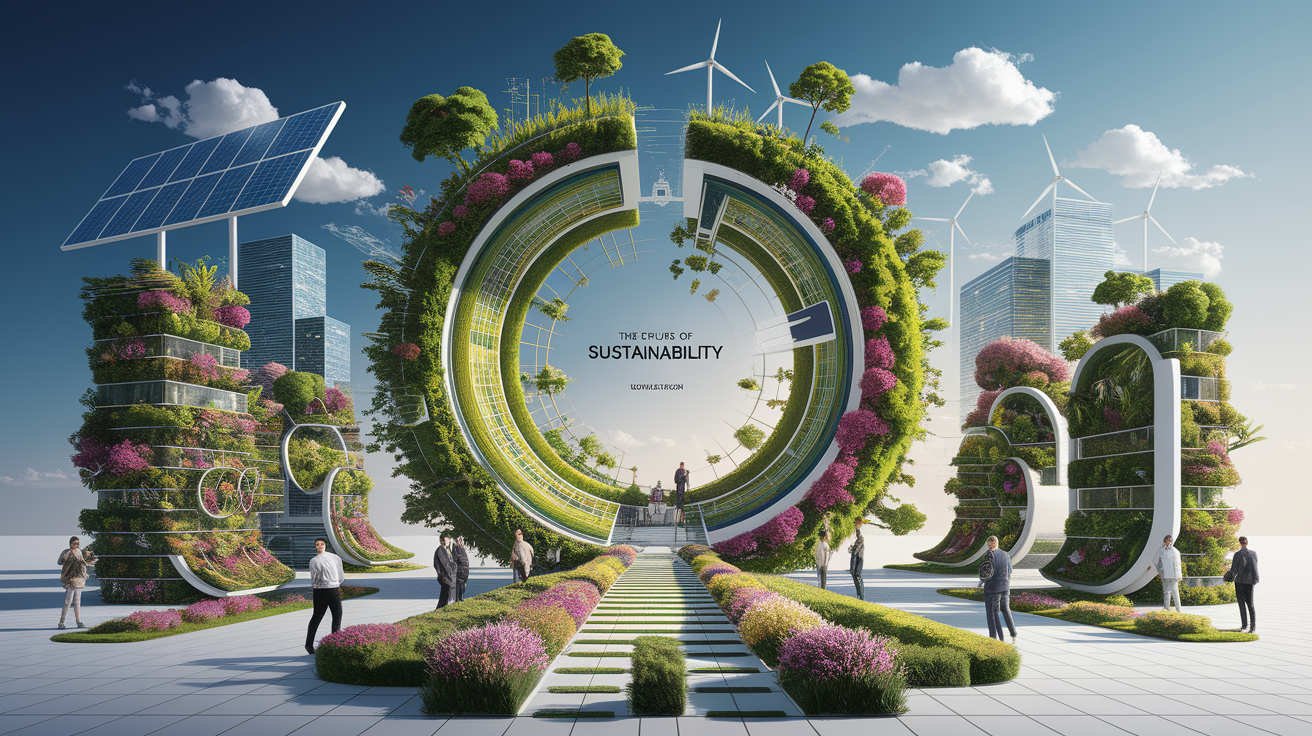
Regional frameworks like the European Green Deal demonstrate how policy can accelerate sustainability transitions. This comprehensive initiative aims to transform production and consumption systems to achieve carbon neutrality while protecting biodiversity and decoupling economic growth from resource exploitation.
Emerging Paradigms
The concept of regenerative sustainability represents an evolution beyond simply minimizing harm. This approach seeks to actively restore ecosystems through human activities—designing buildings that purify air, implementing agricultural practices that rebuild soil health, and developing infrastructure that enhances rather than degrades natural systems.
Global sustainability efforts increasingly recognize the importance of local context and indigenous knowledge systems. The United Nations’ perspective on integrated sustainable development now emphasizes the value of traditional ecological wisdom alongside scientific innovation, particularly for climate adaptation strategies in vulnerable regions.
Embracing a Greener Tomorrow
The path toward environmental sustainability requires both individual commitment and systemic change. While personal choices matter, their impact multiplies when aligned with organizational and policy transformations that address root causes of unsustainable practices.
Communities practicing environmental stewardship demonstrate that collective action yields benefits beyond ecological protection—including stronger social bonds, economic resilience, and improved public health outcomes. These co-benefits make sustainability initiatives more attractive and durable across diverse constituencies.
For individuals seeking to contribute meaningfully, the most effective approach combines:
- Conscious consumption that prioritizes sustainable products and services
- Civic engagement that supports forward-thinking environmental policies
- Community participation that amplifies sustainable practices locally
- Continuous learning about emerging sustainability solutions
The sustainability journey is ultimately about creating a world where ecological health and human wellbeing reinforce rather than oppose one another. By embracing this vision and taking concrete steps toward its realization, we can navigate the challenges ahead while preserving what matters most for future generations.