Sustainable Agriculture Techniques: Energy, Water, Soil, and Cost Tradeoffs
The Essence of Sustainability in Agriculture
Sustainable agriculture represents the next practical check in how we approach food production—balancing productivity with environmental stewardship and social responsibility. At its core, sustainable agriculture encompasses farming systems that meet current food and textile needs without compromising the ability of future generations to meet their own needs.
This approach isn't just about maintaining yields—it's about creating resilient agricultural ecosystems that can withstand climate volatility while reducing environmental impact. Key principles include:
- Enhancing soil fertility through organic matter additions and reduced tillage
- Conserving water through efficient irrigation systems
- Promoting biodiversity to strengthen natural ecosystem services
- Minimizing chemical inputs through natural alternatives
- Building climate resilience through adaptive practices
As climate pressures intensify, sustainable agriculture practices are becoming not just environmentally responsible but economically necessary. These methods build what experts call "climate-smart agriculture"—systems that simultaneously increase productivity, enhance resilience, and reduce greenhouse gas emissions where possible.
Soil Health and Conservation
The foundation of sustainable food systems begins beneath our feet. Soil isn't merely a growing medium—it's a complex, living ecosystem that demands careful stewardship. Progressive farmers are increasingly adopting conservation tillage and no-till farming methods that maintain soil structure while reducing erosion and fuel consumption.
Cover cropping stands out as a particularly effective soil conservation strategy. By planting non-cash crops during off-seasons, farmers prevent erosion while adding organic matter and sequestering carbon. Research indicates that effective cover cropping can sequester up to half a ton of CO₂ per acre annually while simultaneously improving water retention capacity.
Regenerative Approaches to Soil Management
Regenerative agriculture takes soil health principles further by actively rebuilding soil organic matter through:
- Minimizing soil disturbance through reduced tillage practices
- Keeping soil covered with living plants year-round
- Diversifying crop rotations to enhance microbial communities
- Integrating livestock to cycle nutrients naturally
These practices don't just maintain soil—they progressively improve it, increasing carbon sequestration in soil while enhancing water infiltration and drought resistance. For example, farms implementing comprehensive nutrient management plans often report reduced fertilizer costs alongside improved yields.
Water Management Innovations
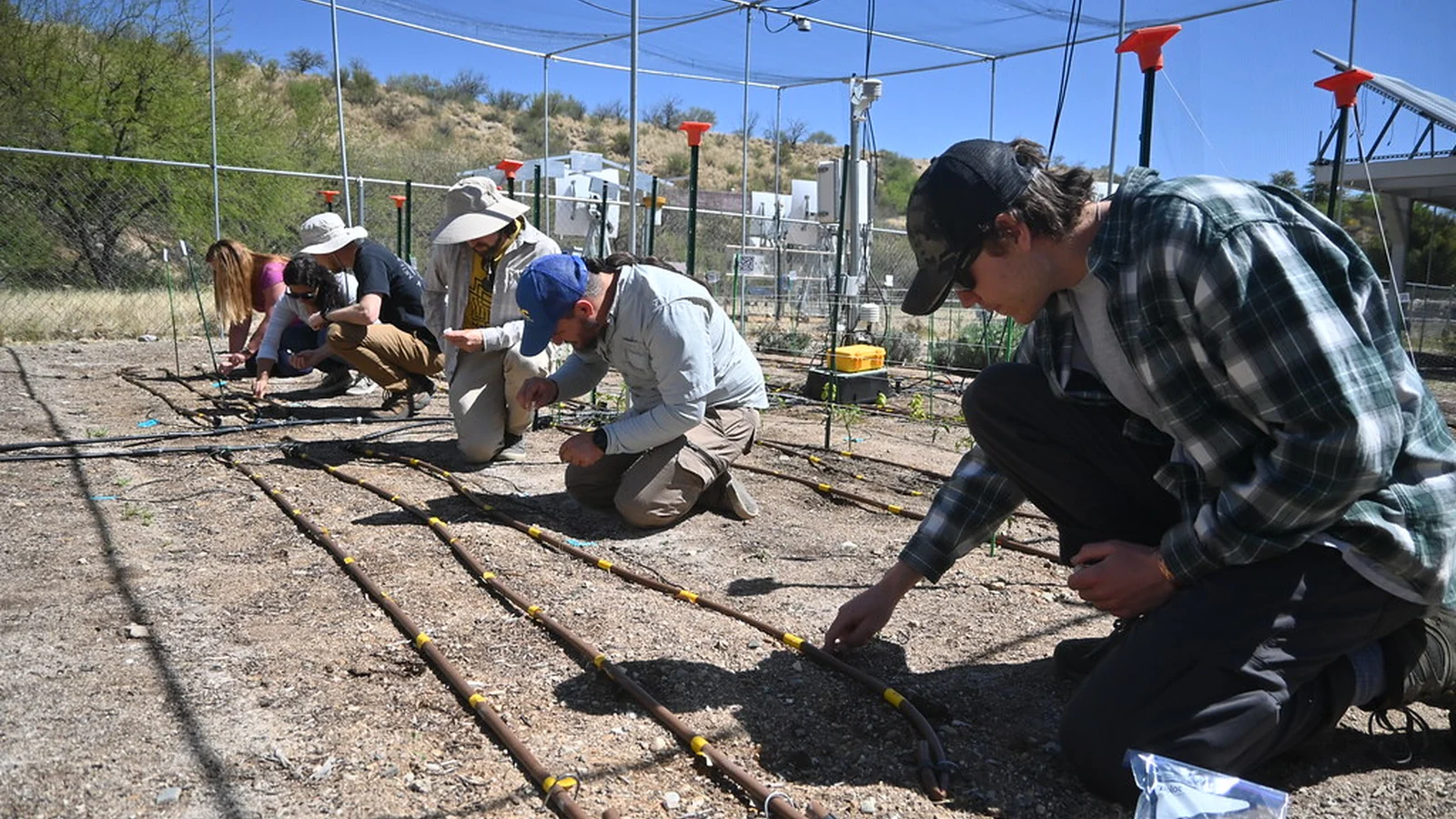
As climate variability intensifies, efficient water management becomes critical to agricultural sustainability. Forward-thinking farmers are implementing sustainable irrigation methods for drought-prone areas, moving beyond conventional irrigation to precision systems that deliver water precisely when and where crops need it.
These systems deliver water directly to plant roots, minimizing evaporation and runoff while optimizing plant health.
Watershed Stewardship
Sustainable water management extends beyond the farm gate to entire watersheds. Buffer strips along waterways, constructed wetlands, and strategic land contouring help filter agricultural runoff, protecting water quality while enhancing wildlife habitat. These approaches exemplify how ecological farming methods can align agricultural productivity with environmental health.
Water harvesting techniques—from simple rainwater collection systems to sophisticated retention ponds—provide supplemental irrigation while reducing demand on groundwater resources.
Biodiversity and Pest Management
Biodiversity serves as nature's insurance policy against environmental volatility. Sustainable agricultural ecosystems intentionally incorporate diversity at multiple levels—genetic, species, and landscape—creating resilience against pests, diseases, and climate fluctuations.
Integrated pest management (IPM) exemplifies this approach by combining biological controls, habitat manipulation, and resistant crop varieties with judicious pesticide use only when necessary. This strategy maintains effective pest control while reducing environmental impact and preserving beneficial organisms.
Biological Controls and Habitat Creation
Rather than reaching immediately for chemical solutions, sustainable farmers leverage ecological relationships. Biological pest control introduces beneficial predators—from microscopic nematodes to predatory insects like ladybugs—that naturally regulate pest populations.
Creating habitat diversity through:
- Hedgerows and windbreaks that shelter beneficial insects
- Flower strips that provide nectar for pollinators and natural enemies
- Diverse crop rotations that disrupt pest cycles
- Strategic use of companion planting to repel pests naturally
These approaches align with the principles of agroecology, working with natural systems rather than against them. Reducing chemical use in agriculture not only protects environmental health but often delivers economic benefits through lower input costs and premium market opportunities.
Renewable Energy Integration
Agriculture's sustainability transformation increasingly includes renewable energy adoption. Solar arrays are becoming common sights on farm buildings, powering irrigation systems, processing facilities, and other operations while reducing dependence on fossil fuels.
Innovative approaches like agrivoltaics—the co-location of solar panels with crop production—demonstrate how renewable energy generation can complement rather than compete with agricultural land use. These systems provide partial shade that can benefit certain crops while generating clean energy and creating additional revenue streams for farmers.
Energy Independence Through Diversification
Forward-thinking agricultural operations are embracing energy diversification, incorporating:
- Solar PV systems for electricity generation
- Solar thermal for heating agricultural buildings and water
- Wind turbines in appropriate locations
- Biogas digesters that convert agricultural waste to energy
These renewable energy systems reduce operational costs while enhancing resilience against grid failures and energy price volatility. They represent a crucial component of truly sustainable agricultural systems that minimize environmental footprint while maintaining productivity.
Embracing Technology for Sustainability
Precision agriculture technologies are changing sustainable farming by enabling resource optimization at unprecedented scales. GPS-guided equipment, drone monitoring, and IoT sensors allow for site-specific management that applies inputs exactly where needed, reducing waste while improving outcomes.
Digital Agriculture and Sustainable Intensification
Advanced monitoring systems enable what some call "sustainable intensification"—producing more food on existing agricultural land through improved efficiency rather than expanding into new areas. Key technologies include:
- Remote sensing to assess crop health and soil conditions
- Predictive analytics for pest and disease management
- Automated irrigation systems responding to real-time soil moisture data
- Machine learning algorithms optimizing farm operations
When combined with ecological farming methods, these technological tools help balance productivity goals with environmental stewardship. They represent the integration of traditional wisdom with newer innovation—a hallmark of truly sustainable agricultural systems.
The Road Ahead: Challenges and Opportunities
Despite clear environmental and long-term economic benefits, barriers to widespread adoption of sustainable agriculture techniques persist. Transition costs, knowledge gaps, market structures, and policy frameworks often favor conventional approaches over sustainable alternatives.
Addressing the question "can sustainable agriculture be profitable for farmers?" requires acknowledging both short-term challenges and long-term advantages. While transition periods may involve learning curves and investment costs, research consistently shows that well-implemented sustainable practices ultimately enhance farm resilience and profitability through:
- Reduced input costs as soil health improves
- Premium pricing opportunities in growing sustainable markets
- Enhanced resilience to climate volatility and extreme weather
- Diversified income streams and risk management
Government policies supporting sustainable agriculture will be crucial for accelerating adoption. Forward-thinking programs already provide financial support for conservation practices, research funding for sustainable innovations, and market development for sustainably produced goods.
The transition to truly sustainable agricultural systems represents one of humanity's most pressing challenges and greatest opportunities. By integrating the best of traditional knowledge with modern ecological understanding and appropriate technology, we can create farming systems that nourish people while regenerating natural resources.
The techniques highlighted throughout this article—from soil conservation and integrated pest management to renewable energy integration and precision technology—demonstrate that sustainable farming practices are not just environmentally necessary but increasingly economically viable.
As consumers, policymakers, researchers, and farmers continue collaborating toward more sustainable food systems, agriculture can evolve from being an environmental challenge to becoming a powerful solution for climate resilience, biodiversity conservation, and community wellbeing. The seeds of this transformation are already sprouting in innovative farms worldwide—now we must nurture their growth into the mainstream of agricultural practice.
How to verify the numbers on this page
This page covers Sustainable Agriculture Techniques: Energy, Water, Soil, and Cost Tradeoffs. Figures here depend on the exact model, site, policy, study, test method, operating conditions, system boundaries, and comparison baseline. Verify current manufacturer, regulator, standard, or primary-research documents before acting.