
The Heart of Energy Storage
In today’s rapidly evolving energy landscape, battery energy storage systems (BESS) have emerged as the linchpin technology enabling the transition to renewable power. These systems transform the intermittent nature of solar generation into a reliable, dispatchable resource that can power homes, businesses, and critical infrastructure regardless of weather conditions or time of day.
At their core, BESS use rechargeable battery technologies—predominantly lithium-ion batteries—to store electrical energy in chemical form and convert it back to electricity when needed. This capability addresses what industry experts call the “energy trilemma”: delivering power that is simultaneously low-carbon, affordable, and reliable.

The practical applications of integrated battery systems extend far beyond simple energy storage:
- Grid stability and frequency regulation during demand fluctuations
- Peak shaving capabilities that reduce utility bills for commercial operations
- Backup power during outages, enhancing resilience
- Enabling higher penetration of renewable energy by “firming” variable generation
- Supporting microgrids in remote or critical facilities
For solar power systems specifically, battery integration transforms an inherently daytime-only resource into a 24-hour power solution. This advancement has dramatically changed the calculus for renewable energy adoption across sectors—from residential installations to utility-scale operations.
Core Components of Integration
Successful battery system integration hinges on several key components working in harmony. Understanding these elements is essential for anyone looking to implement or optimize storage solutions.
The Battery Management System (BMS) serves as the brain of any integrated system. This sophisticated controller monitors cell voltages, temperatures, and state of charge to maximize performance while preventing dangerous conditions. As industry research indicates, effective BMS solutions continuously track the state of health (SOH) and state of charge (SOC) of battery modules to optimize charging cycles and extend operational life.
Working alongside the BMS is the Power Conversion System (PCS), which manages the bi-directional energy flow between batteries and either the grid or solar array. This system, typically built around power inverters, handles the critical DC-to-AC conversion process that makes stored energy usable for standard applications.

Other essential integration components include:
- Energy Management System (EMS): Optimizes charging and discharging based on energy prices, weather forecasts, and consumption patterns
- Thermal Management Systems: Often water-based cooling solutions that prevent thermal runaway and maintain optimal operating temperatures
- Safety and Fire Suppression Systems: Critical safeguards that mitigate potential hazards associated with high-energy-density storage
- Transformers and Grid Connections: Interface equipment that ensures compatibility with existing electrical infrastructure
The modular architecture of modern battery systems allows for parallel configurations that enhance both reliability and scalability. This approach enables system designers to tailor solutions to specific application requirements without sacrificing performance or future expansion capabilities.
Challenges in Integration
Despite the transformative potential of battery integration, significant challenges remain for implementers and system designers. Addressing these hurdles is essential for widespread adoption and optimal performance.
Supply chain vulnerabilities represent perhaps the most pressing concern. According to analysis from industry experts, critical components like battery cells, semiconductors, and specialized control hardware face ongoing availability constraints. Strategic sourcing approaches—including multi-sourcing strategies and localization efforts—have become necessary to mitigate these risks.
Safety considerations create another layer of complexity. High-density energy storage inherently carries thermal management challenges that require sophisticated engineering solutions. Integrated systems must incorporate comprehensive monitoring, ventilation, and fire suppression capabilities to address potential failure modes.

Additional integration challenges include:
- System Compatibility: Ensuring seamless interaction between components from different manufacturers
- Regulatory Compliance: Navigating evolving safety codes, interconnection requirements, and permitting processes
- Cost Optimization: Balancing upfront expenditures against lifetime performance benefits
- Software Integration: Developing sophisticated control algorithms that optimize system performance across varied conditions
For residential and commercial applications, proper integration with existing solar infrastructure remains a significant technical hurdle. Retrofitting storage into operational solar installations often requires careful reconfiguration of power electronics and control systems to maintain efficiency and reliability.
Future Trends in Battery Integration
The battery integration landscape continues to evolve rapidly, with several emerging trends poised to reshape the industry in the coming years. Technology diversification stands at the forefront of this evolution, with alternatives to traditional lithium-ion chemistries gaining traction.
While lithium-ion batteries currently dominate the market due to their high energy density and falling costs, emerging technologies like sodium-ion batteries are attracting significant attention. These alternatives promise to reduce reliance on constrained materials like cobalt and lithium, potentially addressing supply chain vulnerabilities that have plagued the industry.
Advanced digital integration represents another frontier. Next-generation battery systems increasingly incorporate:
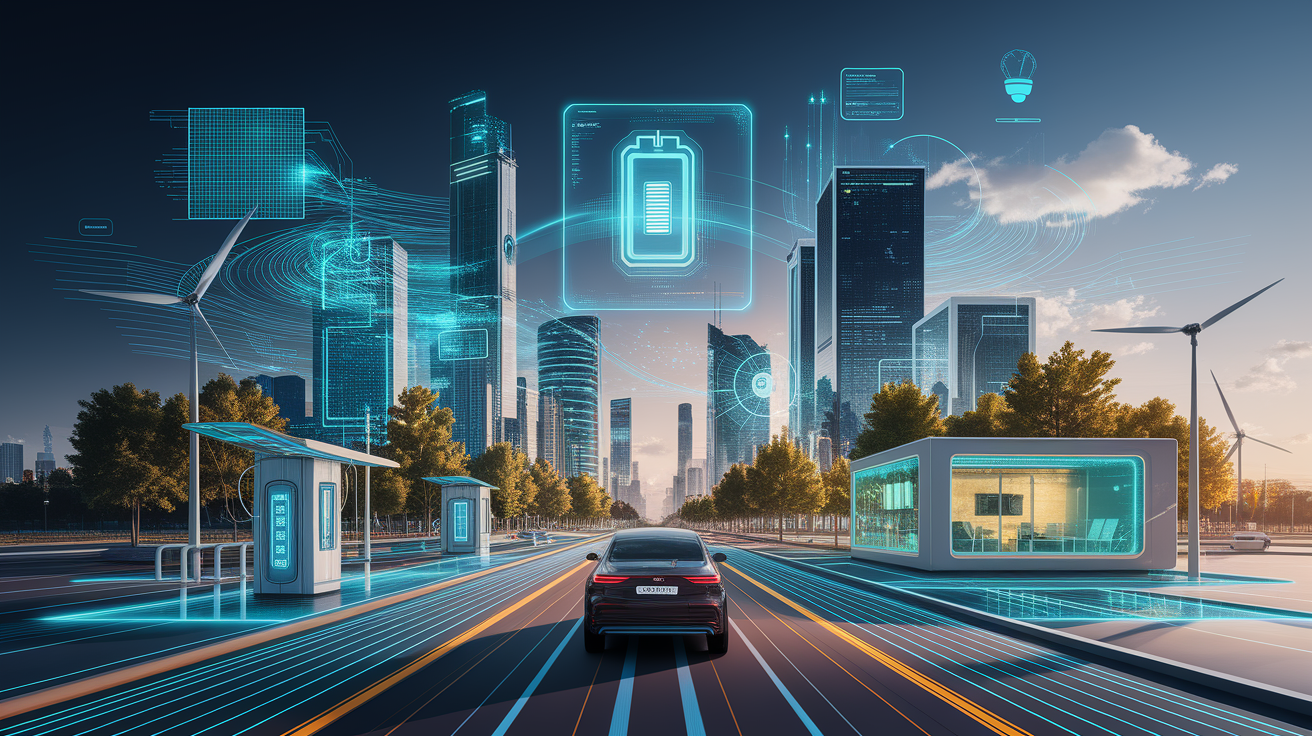
- Machine learning algorithms that predict optimal charging cycles based on usage patterns
- Cloud-based fleet management for distributed energy resources
- Predictive maintenance capabilities that identify potential issues before failures occur
- Virtual power plant functionality that aggregates multiple systems into coordinated resources
Research institutions are accelerating development through advanced modeling and prototype testing, often in partnership with commercial manufacturers. These collaborations are yielding improvements in system safety, energy density, and operational lifespan.
Vehicle-to-grid (V2G) and vehicle-to-home (V2H) integration represents perhaps the most transformative emerging trend. As electric vehicle adoption accelerates, these mobile battery systems are increasingly being incorporated into broader energy management strategies, creating new opportunities for flexibility and resilience.
Energizing Tomorrow
Battery system integration has evolved from a technical novelty to an essential component of our energy future. As solar generation continues its remarkable growth trajectory, the importance of seamless battery integration will only increase.
For system designers and energy professionals, success will depend on balancing multiple considerations: component compatibility, scalability, safety, and economic performance. Specialized integration expertise has therefore become a valuable commodity in the renewable energy marketplace.
For energy consumers—whether homeowners, facility managers, or utility operators—integrated battery systems offer unprecedented control over energy usage patterns and costs. These technologies transform passive energy consumers into active participants in the evolving energy ecosystem.
As we look toward an increasingly electrified future, integrated battery systems will continue to serve as critical infrastructure enabling deeper renewable penetration, enhanced resilience, and improved efficiency across the energy landscape.
The path forward is clear: continued innovation in battery technology coupled with sophisticated integration approaches will accelerate our transition to a cleaner, more reliable energy system. The companies and professionals who master this integration challenge will help shape our energy future for decades to come.