Critical Loads Planner
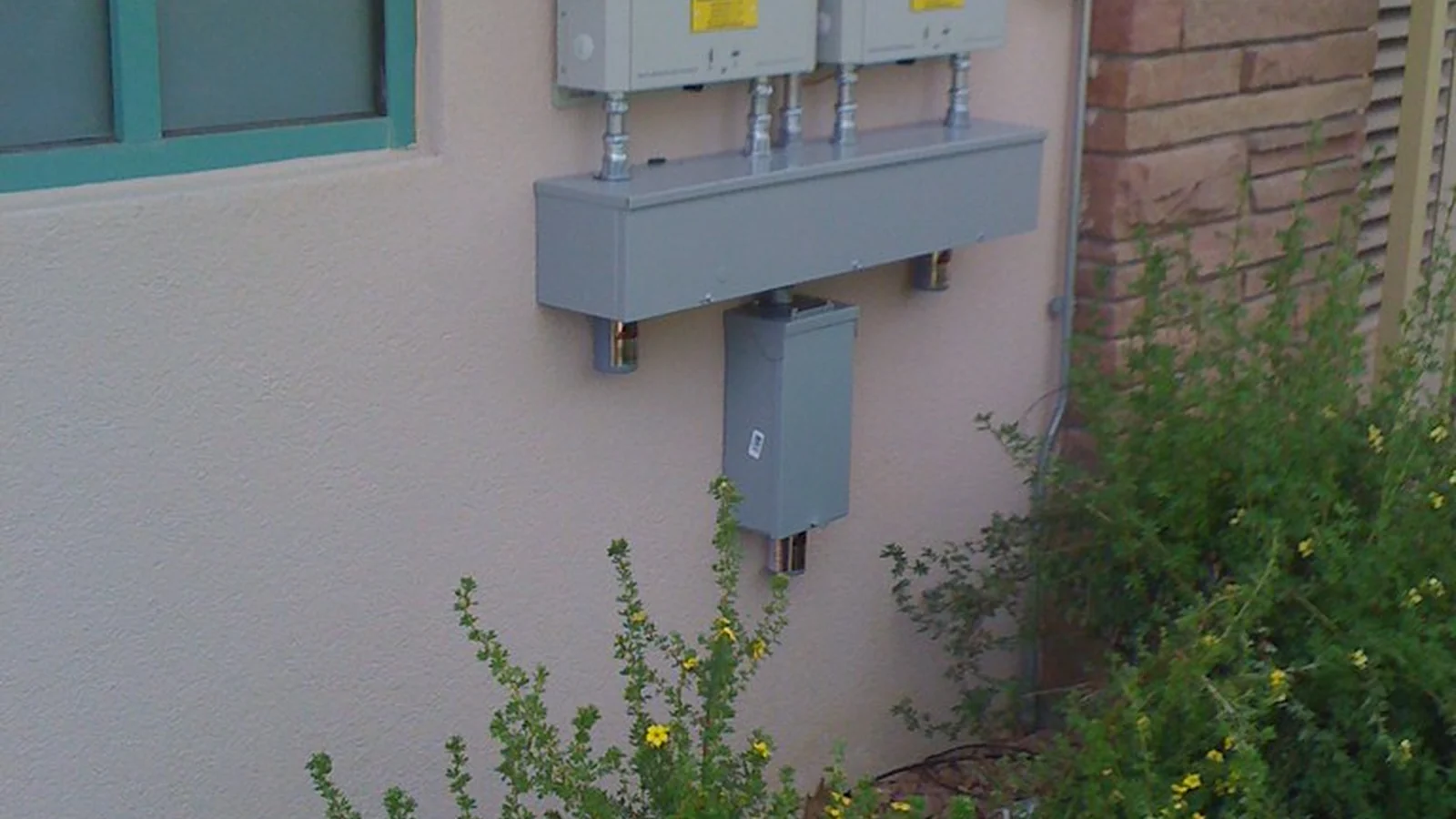
Load-planning note: Critical-load planning is about priorities, not just arithmetic. A small list of essential circuits is usually more predictable than trying to run a whole home from a finite battery.
Turn the load list into a backup design: check inverter power with the inverter-size calculator, estimate duration with the backup-runtime calculator, and read the backup integration guide.
Enter up to five must-run loads. Use nameplate ratings where possible.
Inputs
| Load | Watts | Hours/day | Start surge W |
|---|---|---|---|
Result
Results appear here after you click Calculate. Enter your values, then compare the result with the interpretation notes below.
Using the result
Use this planner before sizing an inverter, transfer switch, battery, or generator-backed system.
What the result means
The result estimates the watts and energy tied to the devices you select as essential.
What the result does not settle
It does not confirm panel wiring, transfer equipment, motor-starting surge, or whether a circuit can be moved safely.
Inputs that change the answer most
- Which loads are truly essential
- Running watts and starting surge
- Hours of use during an outage
- Medical, water, refrigeration, heating, and communications needs
- Load management for large appliances
Before you act
Have circuit changes and transfer equipment handled by qualified professionals, and test the final backup plan under real loads before storm season.
Worked example
Illustrative planning example: a refrigerator at 150 W for 10 hours (1.5 kWh), a router at 15 W for 24 hours (0.36 kWh), LED lighting at 100 W for 4 hours (0.4 kWh), and a well pump at 1,000 W for 30 minutes (0.5 kWh) total about 2.76 kWh per day with roughly 280 W of continuous load and a starting surge the inverter must cover. Enter the surge column for any motor or compressor loads.
Formula or method
Daily backup kWh = Σ(watts × hours) ÷ 1000. Peak running watts = simultaneous must-run watts. Surge watts = peak running watts + largest motor-start adder.
Assumptions and limitations
A critical-load list depends on actual appliance measurements, starting surge, duty cycle, outage priorities, and which circuits can be transferred. It is not an electrical panel or transfer-equipment design.
- running watts for each selected load
- hours of use during an outage
- motor-starting surge
- which circuits are truly essential
- load-management behavior
How to Choose Critical Loads
A critical-loads plan defines what keeps running when the grid is down. The goal is not to run the whole house exactly as normal; it is to preserve safety, communications, refrigeration, basic lighting, and any health or water systems the household depends on. A smaller critical-loads panel can make battery backup more affordable and predictable.
Common critical loads
- Refrigerator or freezer
- Internet modem, router, and phone charging
- LED lighting in key rooms
- Medical equipment or accessibility devices
- Well pump, sump pump, boiler controls, or security system where needed
Loads to treat carefully
Central air conditioners, electric ranges, water heaters, dryers, EV chargers, and resistance heaters can overwhelm small inverters or drain batteries quickly. Some can be supported with larger systems and load controls, but they should not be assumed by default.
Frequently Asked Questions
Why use a critical-loads panel instead of whole-home backup?
It limits the backup system to circuits that matter most, reducing inverter size, battery cost, and the risk of accidental overload during an outage.
Should a well pump be included?
Often yes, but pumps can have high starting surges. Verify both running watts and locked-rotor or starting requirements before sizing the inverter.