Solar System Size Calculator
Last reviewed August 2, 2026. Use current utility bills, site-specific production modeling, roof and shade constraints, and current export rules.
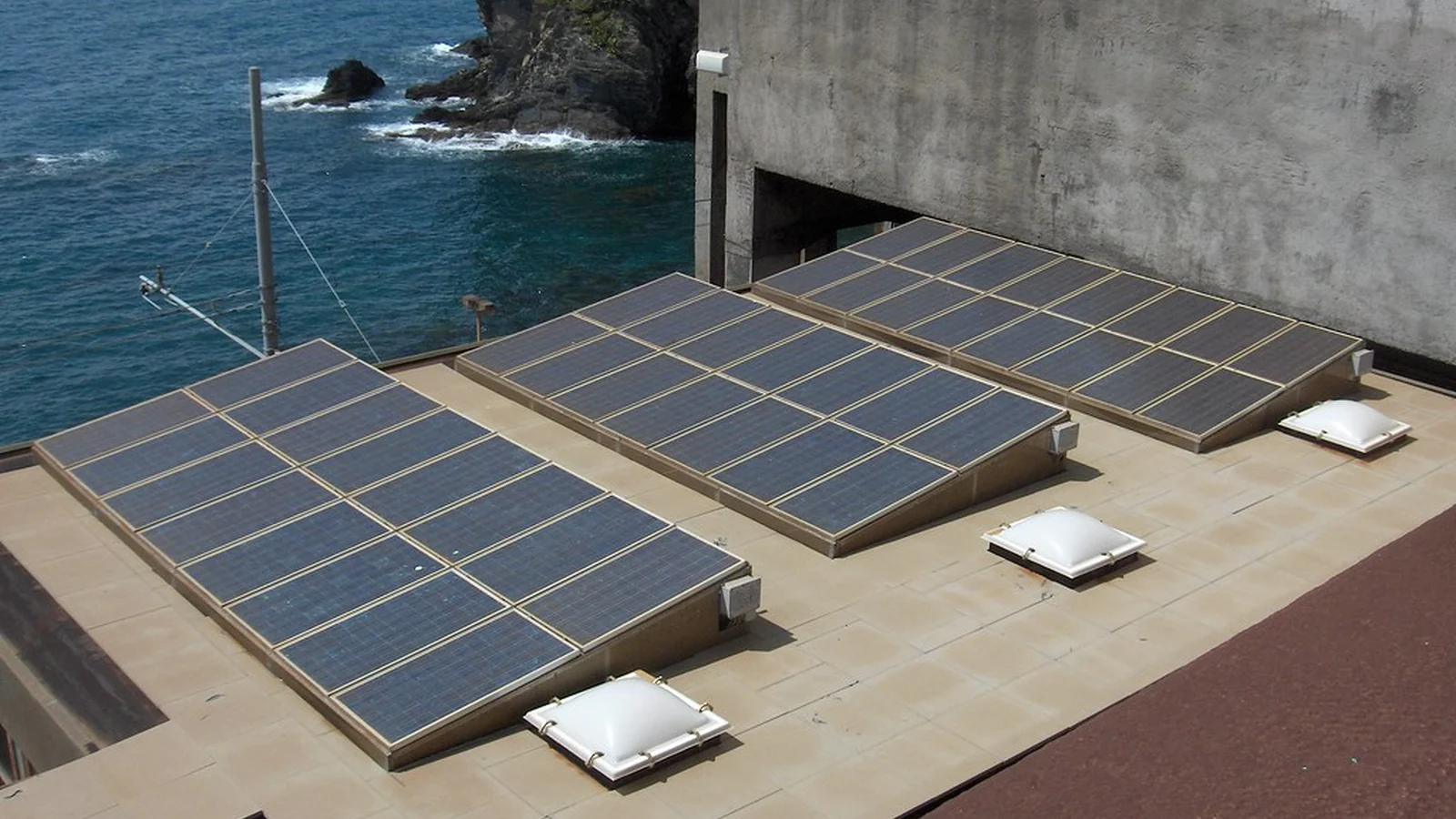
Sizing note: This calculator converts energy use into a first-pass array size. Roof space, shade, utility export rules, future loads, and permitting can change the best final size.
Use the array estimate in the next decision: check expected output with the solar production estimator, review equipment fit in the inverter sizing guide, and compare the cash case with the solar payback calculator.
Use annual or monthly usage, target offset, panel wattage, and either a PVWatts 1 kW production value or the built-in rough fallback.
Inputs
Result
Results appear here after you click Calculate. Enter your values, then compare the result with the interpretation notes below.
Using the result
Use this tool when you have annual or monthly electricity use and want a rough solar system size before comparing designs or installer proposals.
What the result means
The result estimates DC array size and panel count for a target annual energy offset.
What the result does not settle
It does not prove the array will fit on the roof, qualify for interconnection, or produce the same value under every utility rate.
Inputs that change the answer most
- Annual electricity use in kWh
- Target offset percentage
- Annual production from 1 kW of solar at the site
- Panel wattage and system losses
- Future EV, heat pump, or battery-charging loads
Before you act
Check a full year of utility bills, local solar-resource data, shade, roof layout, utility export rules, and installer design assumptions before buying equipment.
Worked example
Illustrative planning example: 10,000 kWh of annual use at 100% offset with a 1,400 kWh/kW yield and 5% losses needs about 10,000 ÷ (1,400 × 0.95) ≈ 7.5 kW DC. With 400 W panels, that is about 19 panels. Roof geometry, orientation, and local yield data will change the count.
Formula or method
Target annual production = annual kWh × offset. Required DC kW = target annual kWh ÷ modeled annual kWh per 1 kW DC. Panel count = ceiling(required kW × 1000 ÷ panel watts).
Assumptions and limitations
System size depends on confirmed load history, local solar resource, shade, roof or land constraints, utility rules, equipment losses, and future electrification. The estimate is a starting point, not a proposal-ready design.
- annual electricity use
- target offset
- annual production per kW
- panel wattage
- future loads and system losses