Legal Setback for US Wind: Judge Upholds Trump Administration's Review of Offshore Project
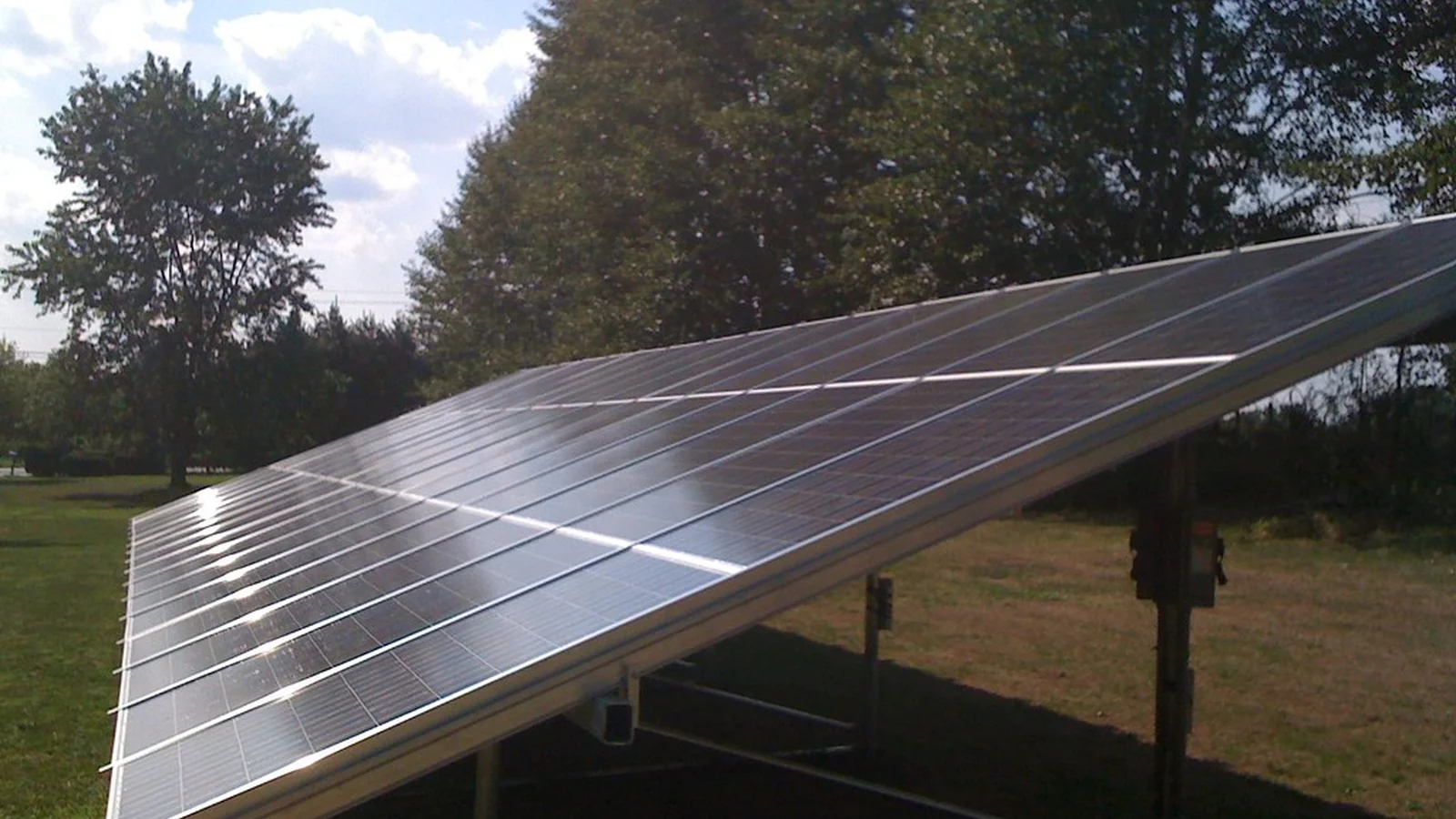
This news page covers a court ruling on an offshore wind project. Residential small-wind planning guides are the siblings.
Last verified: August 12, 2026. This is the editorial review date; confirm the current rule, program, docket, or issuing-authority document linked below before acting. Current status: source-specific status is stated only where the linked official record supports it.
Background on US Wind's Offshore Initiative
US Wind is advancing a significant offshore wind farm project off the coast of Ocean City, Maryland, aiming to install 121 turbines that promise to contribute substantially to the region's renewable energy portfolio. This initiative received crucial approval for its Construction and Operations Plan (COP) from the Bureau of Ocean Energy Management (BOEM) during the final days of the Biden administration. However, the project is now facing uncertainty as it has paused essential developments, such as facility design reports, in light of potential reevaluations of its permits.
Judge's Ruling and Its Implications
On December 16, 2025, U.S. District Judge Stephanie A. Gallagher denied US Wind's request for an injunction that sought to protect its COP from what the company claims are politically motivated attacks by the Trump administration. The ruling noted that since no final decision had been made regarding the permit's revocation, US Wind could technically proceed with construction. However, the company opted to suspend operations due to perceived political risks.
Gallagher emphasized that while US Wind's concerns about the permit's future are valid, the absence of a formal revocation means the company cannot claim immediate legal harm. This decision allows US Wind to continue advocating for its project while awaiting further developments from the Interior Department, which has indicated a desire to review the COP's approval process.
Trump Administration's Position on Offshore Wind
The Trump administration has expressed intentions to reassess offshore wind projects authorized under Biden, citing concerns over incomplete impact assessments on commercial fisheries and maritime operations. Adam Suess, acting Assistant Secretary for Land and Minerals Management, indicated that the previous administration's approvals may have favored wind projects without fully understanding their environmental impacts. This has led to a broader policy environment that raises questions about what comes next for renewable energy initiatives in the U.S.
According to recent statements, the government intends to conduct thorough evaluations before moving forward with existing permits, potentially freezing new approvals. This shift underscores a growing tension between renewable energy ambitions and local and federal concerns.
Concerns from Local Stakeholders
Opposition to the US Wind project has emerged from local officials and fishing groups, who argue that the wind farm could disrupt vital commercial fisheries and complicate search and rescue operations in the region. The potential interference with fishing migration patterns and the operational capacity of fishing gear has led to legal challenges that predate the Trump administration’s review. Ocean City officials have been vocal in questioning the project's validity, mirroring the administration's apprehensions.
As highlighted by NOAA Fisheries, the intersection of offshore wind development and fishing interests is a critical issue that needs careful consideration to ensure sustainable practices.
Conclusion: Navigating Uncertainty in Offshore Wind
The ongoing legal battle and regulatory scrutiny surrounding US Wind's offshore project exemplify the challenges faced by renewable energy initiatives within a fluctuating political landscape. While the company remains optimistic about defending its permits, the shifting focus of federal policy could significantly impact investor confidence and future project viability. Stakeholders will need to stay informed and engaged as the situation evolves.
As the renewable energy sector continues to grow, it will be essential for companies like US Wind to navigate these complex legal and regulatory environments while fostering constructive dialogue with local communities and stakeholders to address concerns effectively.
Policy lifecycle and official sources
What changed: The page records the reported policy, program, docket, proposal, or administrative action and separates it from later interpretation.
Current status: Confirm whether the measure is proposed, effective, expired, superseded, awaiting review, or not confirmed.
Effective date: Check the controlling instrument for its effective date, transition rules, expiration, and geographic scope.
Who is affected: Check the named households, businesses, utilities, installers, agencies, technologies, and jurisdictions before applying the description.
Last verified: August 12, 2026. Recheck the authority before acting because policy status can change.
Official sources: Start with the relevant official authority; this directory link is a verification starting point, not proof that a particular rule currently applies.
Next article →