Insights From the Battery Asset Management Summit Europe 2025: Navigating Risks and Enhancing Performance
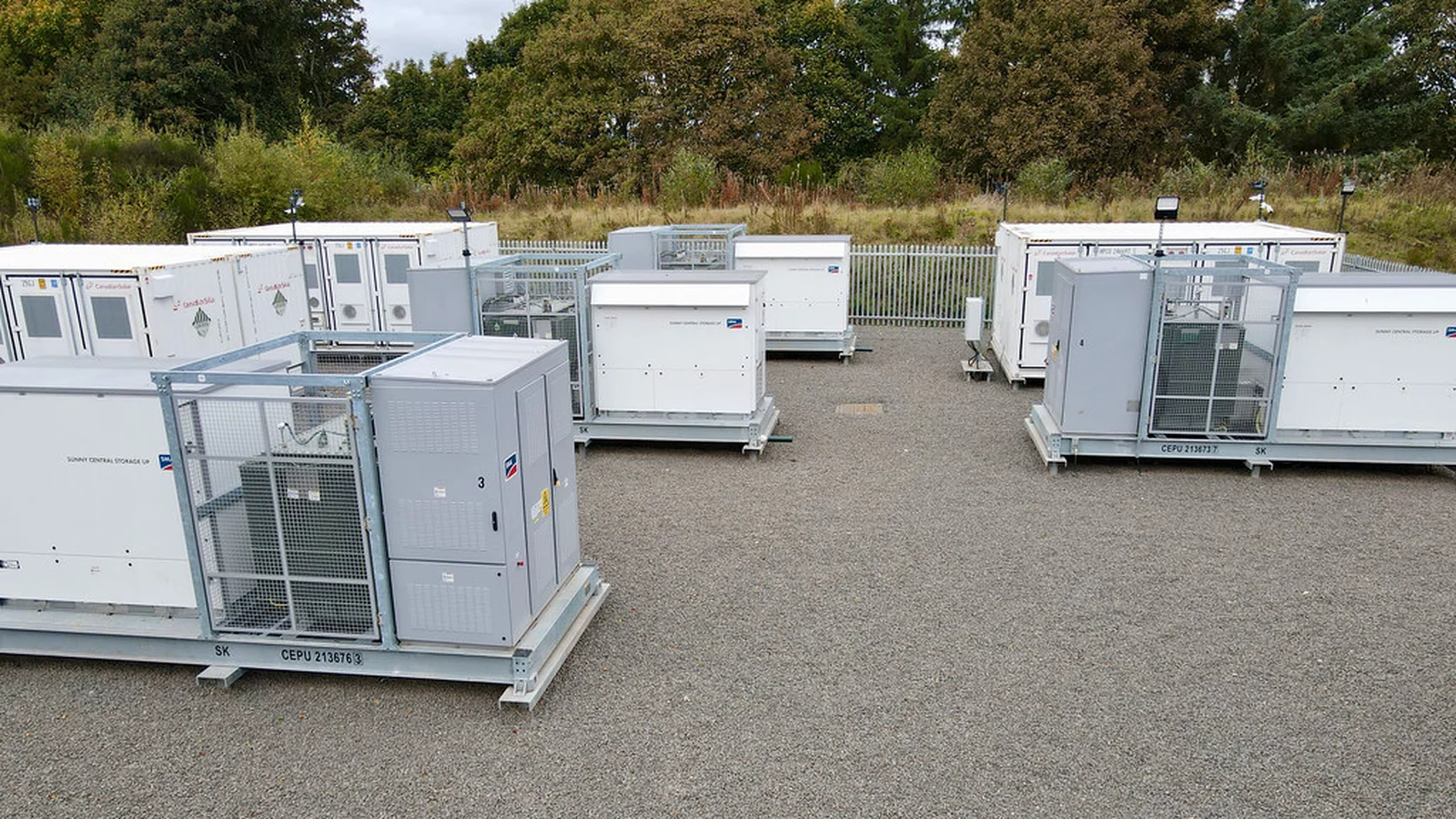
The Battery Asset Management Summit Europe 2025, held in Rome from December 2-3, brought together over 200 industry professionals from 16 countries to discuss critical advancements and challenges in battery energy storage systems (BESS).
Addressing Procurement and Supply Chain Risks
A major theme of the summit was the significant risks associated with the procurement and commissioning phases of BESS projects. Experts highlighted the necessity of thorough pre-contract due diligence to minimize disruptions that can arise from supplier reliability issues. Sarah Montgomery, CEO of Infyos, emphasized that once construction begins, changing suppliers is nearly impossible, underscoring the importance of carefully evaluating potential partners before making binding commitments. She likened the negotiation process to “dating before marriage,” where transparency is crucial to ensure a successful long-term relationship.
- Thorough supplier evaluations can prevent costly post-commissioning disruptions.
- Contractual performance accountability clauses are essential for maintaining operational iional Excellence
Leveraging Data Analytics and AI for Operational Excellence
Key takeaways on data utilization:
- Operators must track hundreds of parameters to fully leverage advanced analytics.
- Investments in granular data systems can lead to substantial long-term savings and performance enhancements.
Understanding Revenue Models in Light of Italy's MACSE Auction
This shift necessitates robust energy management systems (EMS) to avoid penalties related to delivery failures. Experts noted that regulatory predictability is essential, particularly amid the volatility of market timelines.
Implications of MACSE for Future Projects:
- Understanding the differences between MACSE and capacity markets is crucial for project management.
- Developing redundancy in EMS is vital to mitigate risks associated with contractual obligations.
Evaluating Bankability and Long-Term Performance
The concept of bankability in BESS was discussed in depth, with experts emphasizing that true bankability is demonstrated over time through consistent revenue generation and reliability. OEMs are now oversizing systems to maintain warranty compliance, which is particularly important given the fragility of lithium-ion technology compared to more robust solar solutions.
Strategies for Ensuring Long-Term Success:
- Thoroughly evaluate integrators during the project planning phase to ensure optimal performance.
- Adopt a lifecycle management approach to address the unique challenges posed by battery technology.
Conclusion: The Path Forward for BESS Operators
The insights gained from the Battery Asset Management Summit Europe 2025 underscore the importance of operational excellence in the changing BESS landscape. By prioritizing data-driven decision-making, rigorous supplier evaluations, and understanding complex revenue models, operators can navigate the inherent risks and unlock the full potential of battery energy storage systems. As the sector continues to grow, staying informed about regulatory changes and technological advancements will be essential for long-term success.
Sources
- Battery Asset Management Summit Europe 2025 | Rome BESS Expo
- Battery Asset Management Europe 2025
- canaleenergia.com
Sources fetched and checked on August 15, 2026; quotes were verified verbatim on a random 12-record sample. Program details and figures can change — confirm current status against the official source before acting.