Battery Bank Sizing Calculator
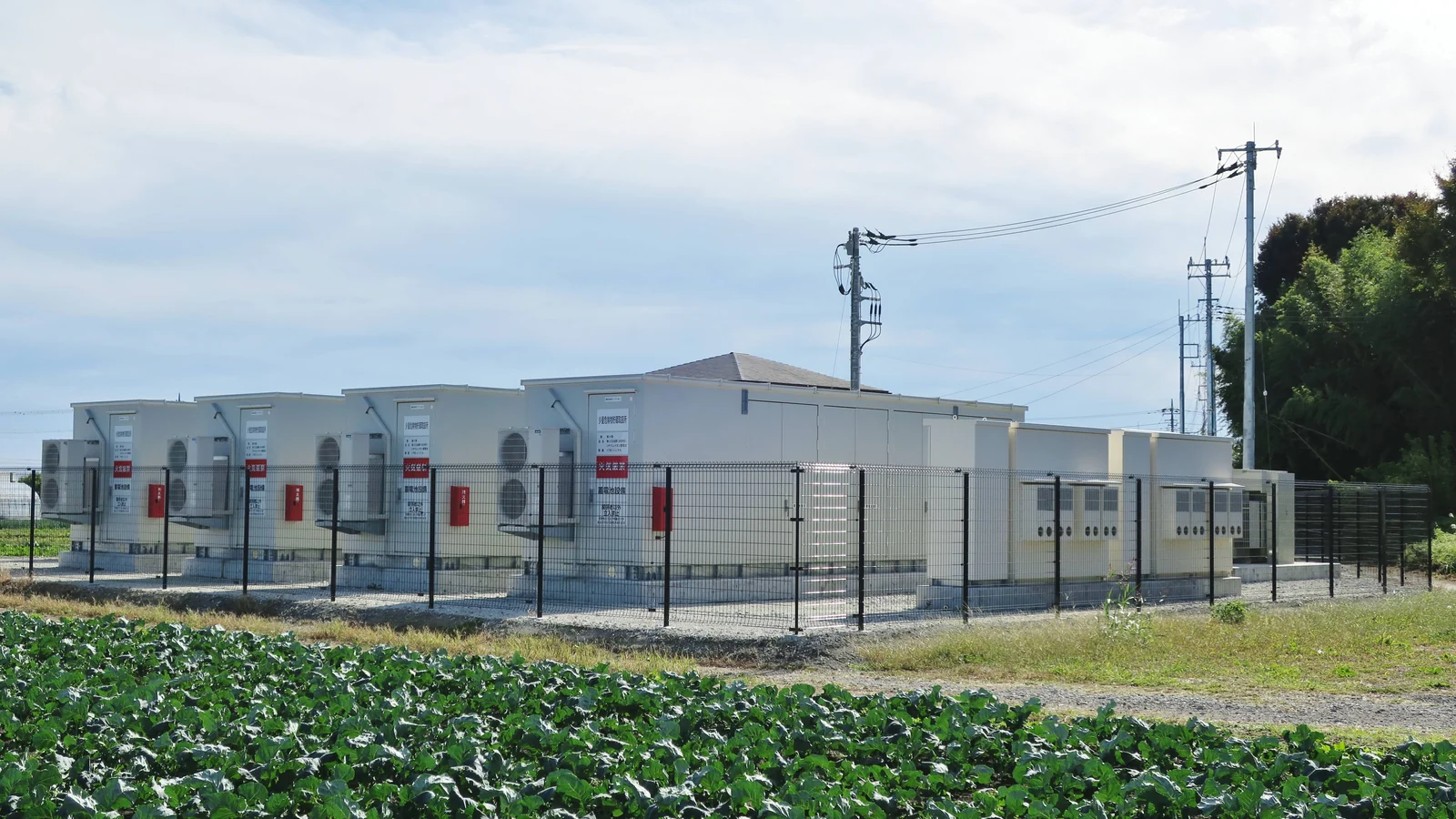
Battery sizing note: Battery bank sizing depends on usable capacity, discharge current, chemistry, temperature, charge source, enclosure, and manufacturer limits. Treat the result as a starting point.
Refine the storage estimate: compare daily energy and autonomy with the battery capacity sizing guide, then test outage duration with the backup-runtime calculator and review backup integration.
Inputs
Result
Results appear here after you click Calculate. Enter your values, then compare the result with the interpretation notes below.
Using the result
Use this tool for off-grid cabins, backup systems, mobile power, or solar-storage planning when you know the daily load target.
What the result means
The result estimates nominal battery capacity needed to supply the planned load for the selected autonomy period.
What the result does not settle
It does not design protection, wiring, ventilation, fire clearances, charging current, or battery communications.
Inputs that change the answer most
- Daily energy use in kWh
- Autonomy days
- Recommended depth of discharge
- Round-trip and inverter efficiency
- Battery voltage, discharge current, and temperature range
Before you act
Check manufacturer manuals, battery expansion rules, charger settings, cold-temperature limits, enclosure requirements, and local installation rules.
Worked example
Illustrative planning example: a 12 kWh daily critical load with 2 days of autonomy, 50% depth of discharge, and 95% discharge efficiency needs about 12 × 2 ÷ (0.50 × 0.95) ≈ 50.5 kWh of rated bank energy. With 10 kWh modules, that is 6 modules after rounding up. These are planning assumptions, not a product specification — use the exact battery datasheet limits before buying.
Formula or method
Required nominal kWh = daily load × days of autonomy ÷ (DoD × discharge efficiency). Battery count = ceiling(required nominal kWh ÷ module kWh).
Planning a Battery Bank from the Result
The calculator converts daily energy use into nominal battery capacity, but a real battery bank also needs the right voltage, inverter pairing, charge-controller limits, enclosure, overcurrent protection, and code-compliant disconnects. Treat the module count as the starting point for a design conversation rather than the whole design.
Inputs That Deserve Extra Care
- Daily critical load: separate essential outage loads from whole-home consumption; whole-home averages often oversize the bank for backup and underspecify surge power.
- Autonomy days: off-grid cabins may need multiple cloudy days, while grid-tied backup systems may only target overnight resilience.
- Depth of discharge: use the battery manufacturer's recommended operating window, not the theoretical chemistry maximum.
- Efficiency: include inverter and wiring losses when estimating usable AC energy.
If the result seems too large, reduce the load list before reducing safety margins. Load shedding is usually cheaper and safer than asking a small battery bank to run every circuit.
Assumptions and limitations
The estimate assumes the entered daily energy, autonomy, usable depth of discharge, and efficiency. Battery current limits, temperature, aging, enclosure, charger settings, and manufacturer expansion rules still control the final design.
- daily energy use
- autonomy days
- usable depth of discharge
- inverter and wiring efficiency
- battery voltage and current limits
Battery Bank Planning Guide
Battery bank sizing should begin with a load budget, not with the biggest battery that fits the budget. For grid backup, list the circuits that truly matter during an outage. For off-grid use, build a daily energy budget by appliance and season. The calculator estimates nominal capacity, but the final design also needs battery voltage, discharge current, charging current, protection, ventilation or thermal controls, and service access.
Example sizing workflow
- List daily critical energy use in kWh.
- Choose autonomy days based on the longest outage or cloudy stretch you want to cover.
- Apply the chemistry's recommended depth of discharge, not the absolute theoretical maximum.
- Apply inverter and wiring efficiency so the AC load is not confused with stored DC energy.
- Round up to real battery modules and verify the inverter can safely draw from the bank.
Design cautions
- Lead-acid banks usually need more nominal capacity than lithium banks for the same usable energy.
- Parallel battery strings require careful balancing and manufacturer-authorized wiring.
- Cold locations may need heated batteries or indoor installation.
- Battery cabinets and wall-mounted units may trigger local fire-code clearance rules.
Frequently Asked Questions
Is a bigger battery always better?
No. Oversized batteries cost more and may not recharge fully if the solar array, charger, or generator is too small.
Can I expand the bank later?
Sometimes, but mixing old and new batteries can create imbalance. Check the manufacturer's expansion limits before designing around future additions.