Battery Capacity Sizing Guide: Find Your Ideal Battery Size
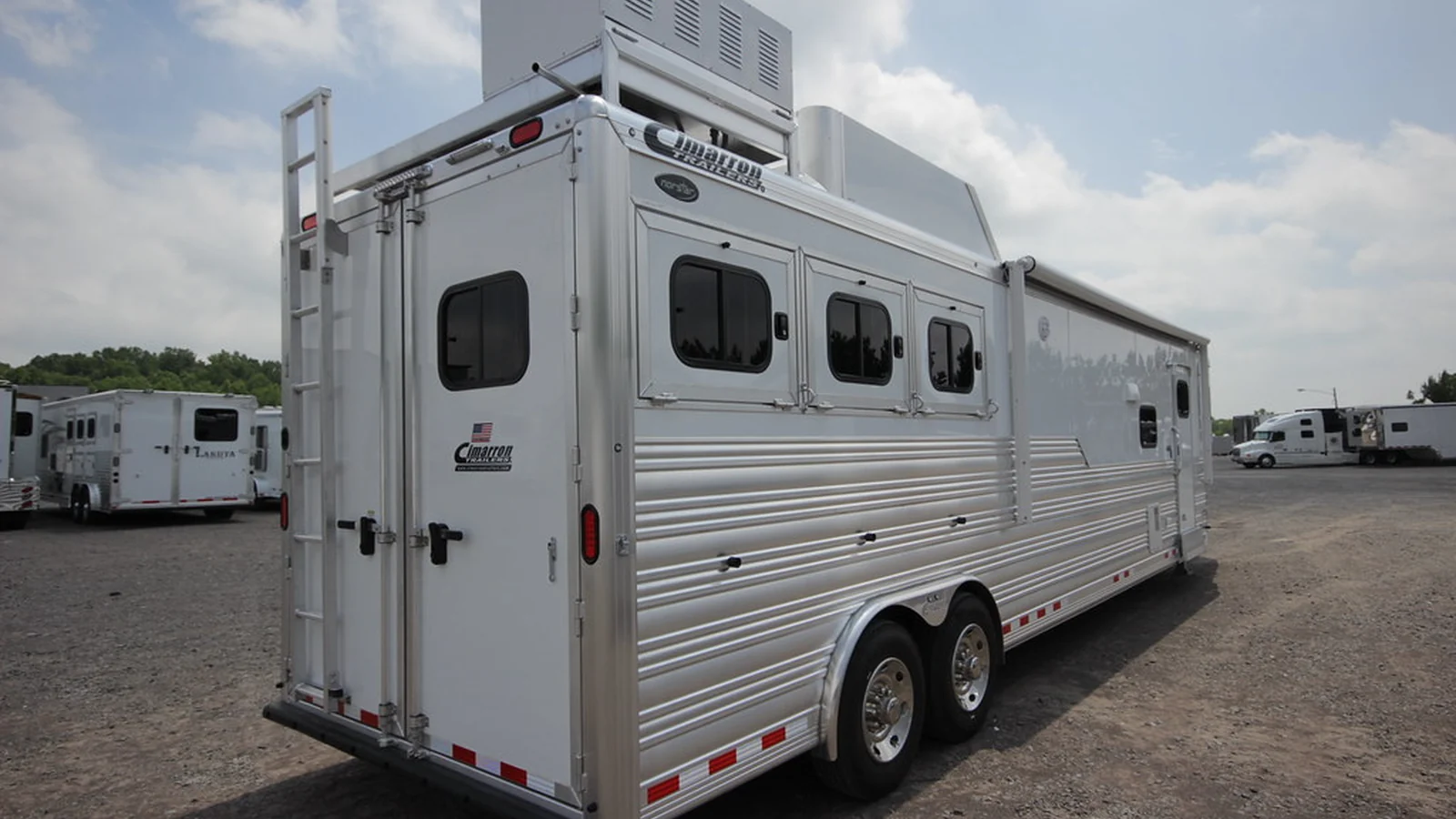
Power Kickoff – Size Your Battery Instantly
Get started with a quick, no-fuss estimate of your battery capacity. Follow these three steps to lock in a ballpark figure—then refine it with detailed calculations.
- Audit Your Loads: List all key appliances (refrigerator, lights, inverter, RV outlets) and note their power ratings in watts (W).
- Estimate Daily Consumption: Multiply each device’s wattage by its daily run time. Sum these values to get total daily energy in watt-hours (Wh).
- Size from measured daily critical-load energy, selected autonomy, the exact battery’s permitted depth of discharge, temperature and aging allowances, conversion losses, and inverter limits. A fixed multiplier is not a substitute for those inputs.
Assessing Your Energy Needs
Accurate battery sizing starts with a rigorous daily load calculation. An energy usage audit typically covers:
- Peak load identification: fridge compressors, HVAC, water pumps.
- Continuous loads: LED lighting, standby electronics, charge controllers.
- Backup goals: full-home vs. critical loads only, recreational vehicle (RV), or off-grid cabin.
Document each device on an electrical load sheet with its power consumption (W) and estimated hours of operation.
Performing the Sizing Calculation
Use a precise formula to convert your daily energy needs into battery capacity:
- Calculate daily energy: sum of (device power in kW × hours of use).
- Choose autonomy from outage history, critical-load priorities, charging opportunities, budget, space, and the consequences of depletion; there is no universal household duration.
Battery Size (kWh) = Daily Energy (kWh) × D ÷ (DoD × η)
For detailed guidance on formulas and user goals, see this comprehensive battery sizing guide and the step-by-step overview on selecting a storage system.
Adjusting for Real-World Factors
Your calculated capacity must be tweaked for practical performance:
- Peukert’s Effect: High discharge rates (C-Rate) can lower effective ampere-hour (Ah) output. Confirm with manufacturer curves.
Choosing the Right Battery Type and Voltage
Select chemistry and voltage based on performance, cost, and application:
- Lithium-Ion Battery: Broad temperature range, high energy density, premium price.
Match your off-grid system, marine or RV setup voltage:
Practical Installation Tips
- Wire batteries in series/parallel to achieve target voltage and capacity—follow manufacturer wiring diagrams.
- Use a proper charge controller set for your chemistry and C-rate, preventing overcharge and deep discharge.
- Integrate a high-efficiency inverter and monitor usage with a battery management system (BMS) or SoC meter.
- Validate your design with a battery bank calculator or professional installer to confirm installation safety and compliance.
For a hands-on walkthrough on solar battery bank design, watch this solar system tutorial.
Final Spark – Next Steps in Battery Sizing
With your target capacity nailed down, you’re ready to:
- Finalize component selection—batteries, panels, inverter, BMS.
- Obtain quotes from certified installers to verify space, permits, and wiring.
- Plan for periodic maintenance: cycle counts, capacity tests, and terminal inspections.
Accurate battery sizing is the cornerstone of a resilient, cost-effective energy storage solution. Armed with these calculations and real-world adjustments, you can confidently select a system that meets your sustainability goals and keeps your lights on—rain or shine.
How to verify the numbers on this page
This page covers Battery Capacity Sizing Guide: Find Your Ideal Battery Size. Figures here depend on the exact model, site, policy, study, test method, operating conditions, system boundaries, and comparison baseline. Verify current manufacturer, regulator, standard, or primary-research documents before acting.