Solar Energy Surges: Global Generation Exceeds 540 GW in April
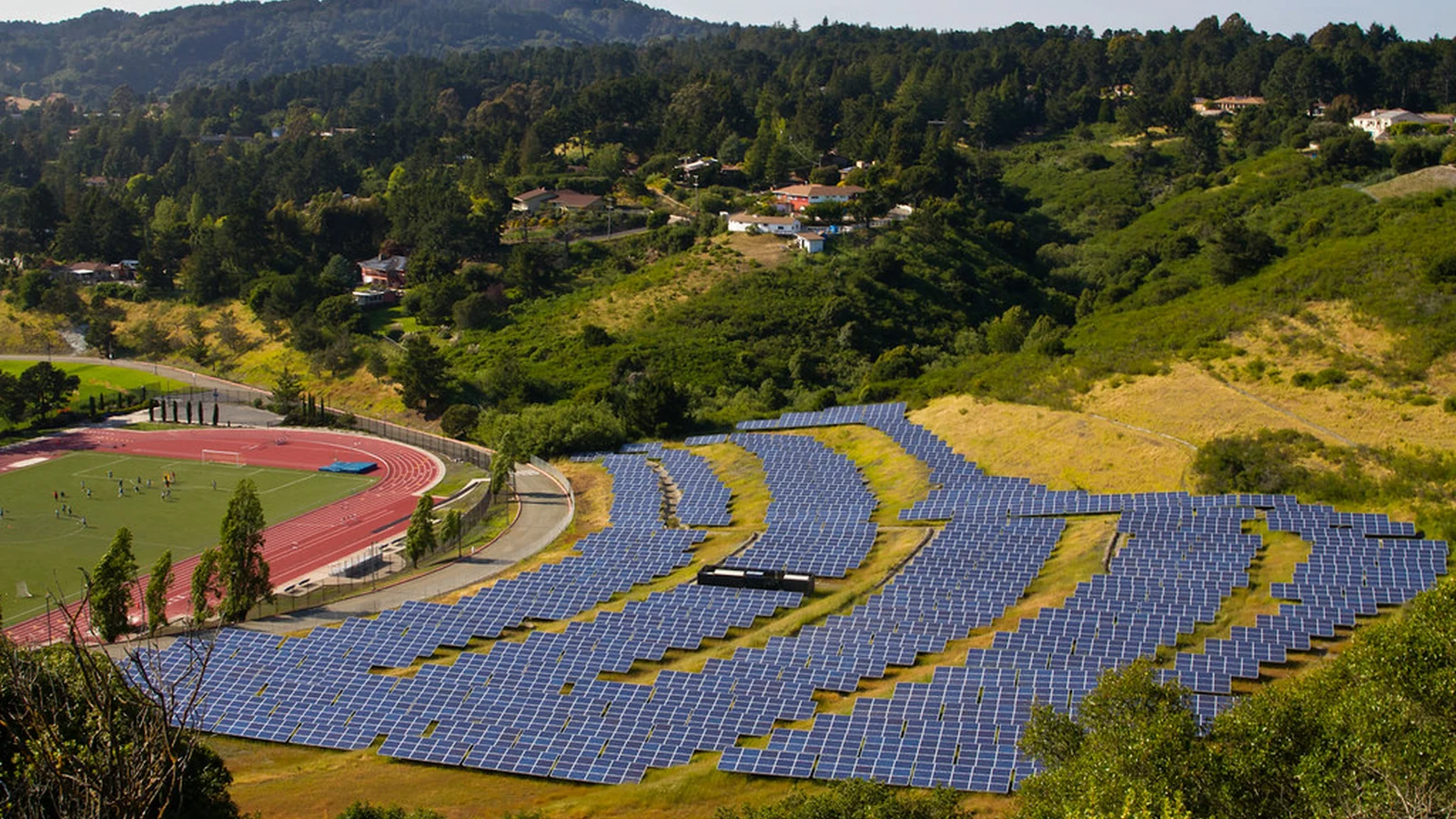
Understanding the Surge in Solar Capacity
The reported increase in solar generation capacity reflects a broader trend in the renewable energy sector. In the first half of 2025 alone, approximately 380 GW of new solar photovoltaic (PV) capacity was added globally, marking a staggering 64% increase compared to 232 GW added in the entirety of 2024. Such growth is largely driven by substantial installations in major markets like China, Europe, and the United States.
The Importance of Peak Generation
This peak generation occurs under optimal conditions when sunlight is maximized across various hemispheres.
This instantaneous output showcases the growing impact of solar energy on global power grids and underscores the need for advanced forecasting and energy storage solutions. According to Solcast, the geographical diversity of solar installations allows for higher overall output, as regions experience different seasonal conditions simultaneously.
Regional Contributions Driving Growth
In April, favorable spring conditions in the Northern Hemisphere and complementary autumn conditions in the Southern Hemisphere bolstered solar output significantly. Both Europe and North America made substantial contributions to the peak generation on April 29, illustrating the collaborative potential of international solar power.
Implications for Future Energy Systems
This milestone emphasizes the crucial role that solar energy plays in the transition towards sustainable energy systems. As the demand for renewable sources increases, so does the necessity for enhanced grid flexibility and energy storage solutions.
As the solar sector continues to mature, it faces challenges such as energy curtailment during periods of oversupply. Policymakers and energy providers must work together to create frameworks that support this transition, ensuring that solar can be a reliable and consistent power source.
Conclusion
As the industry moves forward, the focus will need to be on enhancing storage capabilities and grid management to fully harness the potential of solar energy, ultimately driving decarbonization efforts worldwide.