Sailing on Solar: A Complete Guide to Marine Solar Systems for Boats
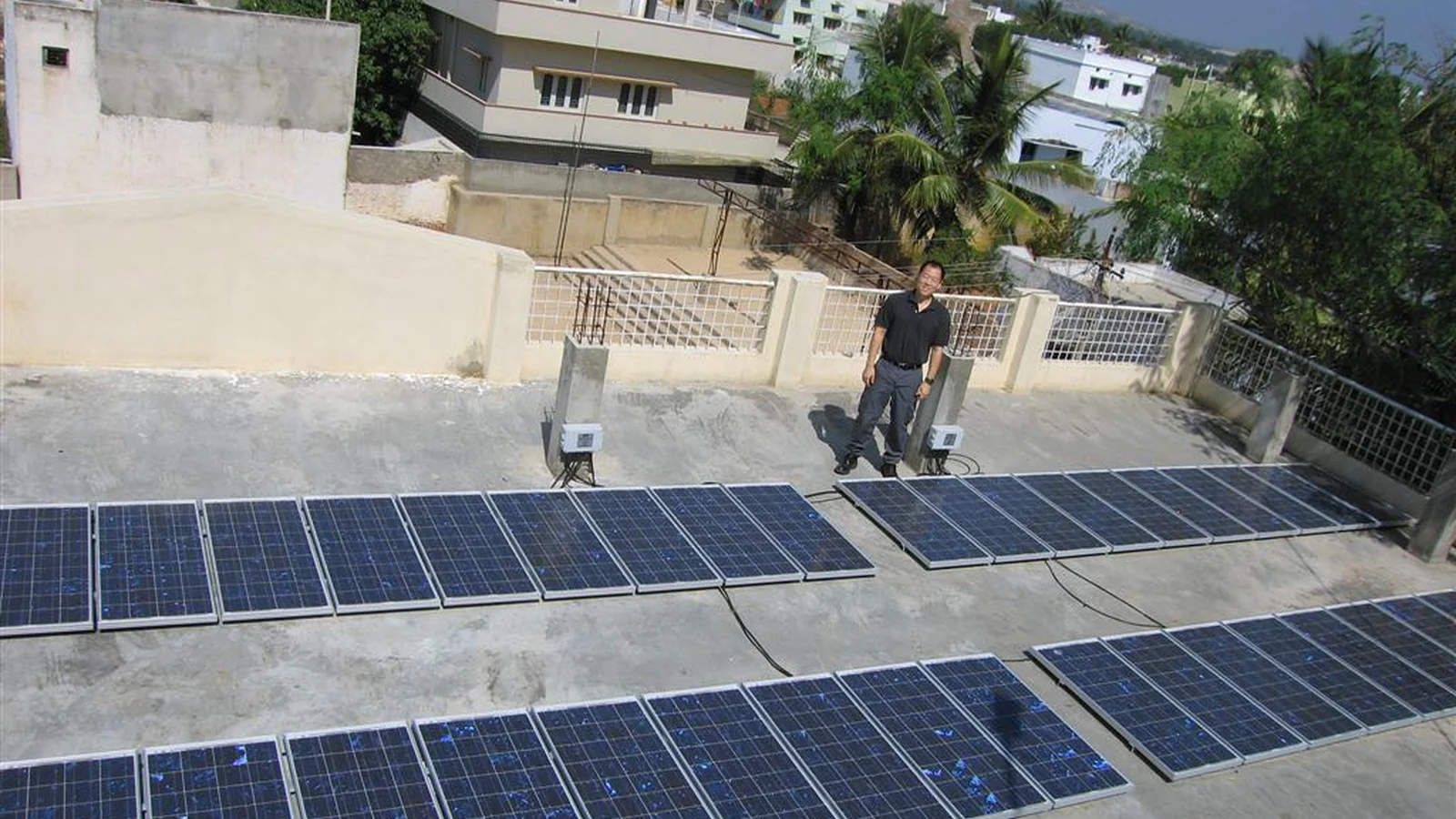
Marine solar systems are changing how boaters power their vessels, offering a clean, quiet, and cost-effective alternative to traditional generators. Modern photovoltaic systems designed for marine environments deliver reliable electricity while reducing fuel costs and environmental impact. Whether you're planning weekend getaways or extended off-grid cruising, solar power provides the energy independence that serious boaters demand.
Sailing on Sunshine: Get Started with Marine Solar Systems
Marine solar systems harness sunlight to generate electricity for your boat's power needs, from essential navigation equipment to comfort amenities. These systems excel in marine environments because they operate silently, require minimal maintenance, and provide continuous power during daylight hours without consuming fuel.
A complete marine solar setup consists of four core components working together:
- Solar panels - Convert sunlight into DC electricity
- Charge controller - Regulates power flow to protect batteries
- Marine batteries - Store electrical energy for later use
- Power inverter - Converts DC power to AC for standard appliances
Modern marine grade components are engineered to withstand saltwater spray, UV exposure, and constant motion, making them ideal for everything from small fishing boats to luxury yachts. The modular nature of these systems allows you to start small and expand capacity as your energy needs grow.
How Marine Solar Systems Work
Solar panels capture photons from sunlight and convert them into direct current (DC) electricity through the photovoltaic effect. This electricity flows to an MPPT controller (Maximum Power Point Tracking), which optimizes power harvest and safely charges your marine battery bank.
Energy Flow and Battery Management
During peak sunlight hours, solar panels typically generate more power than immediate consumption requires. This excess energy charges your battery bank, building reserves for nighttime use or cloudy conditions. A properly sized system maintains battery health while providing consistent power for marine electronics, lighting, and appliances.
Modern marine battery management systems track amp-hour consumption and generation, helping you optimize energy usage patterns.
Benefits of Solar Power on Boats
Solar power delivers potential advantages that make it increasingly popular among serious boaters. The most immediate benefit is silent operation—unlike generators that disturb peaceful anchorages, solar panels generate electricity without noise or vibration.
Financial and Operational Advantages
After the initial installation investment, solar panels provide free electricity for decades. This eliminates ongoing fuel costs for generator operation and reduces engine runtime for battery charging.
Solar systems require minimal maintenance due to having no moving parts. Regular cleaning and occasional connection checks represent the extent of upkeep needed, unlike generators that require oil changes, filter replacements, and periodic servicing.
Extended Off-Grid Capabilities
Solar power enables longer periods at anchor without shore power connections. Your refrigerator continues running, lights remain functional,
How to verify the numbers on this page
This page covers Sailing on Solar: A Complete Guide to Marine Solar Systems for Boats. Figures here depend on the exact model, site, policy, study, test method, operating conditions, system boundaries, and comparison baseline. Verify current manufacturer, regulator, standard, or primary-research documents before acting.