Solar Panel Technologies Compared: PERC, TOPCon, HJT, Thin-Film, and Bifacial Modules
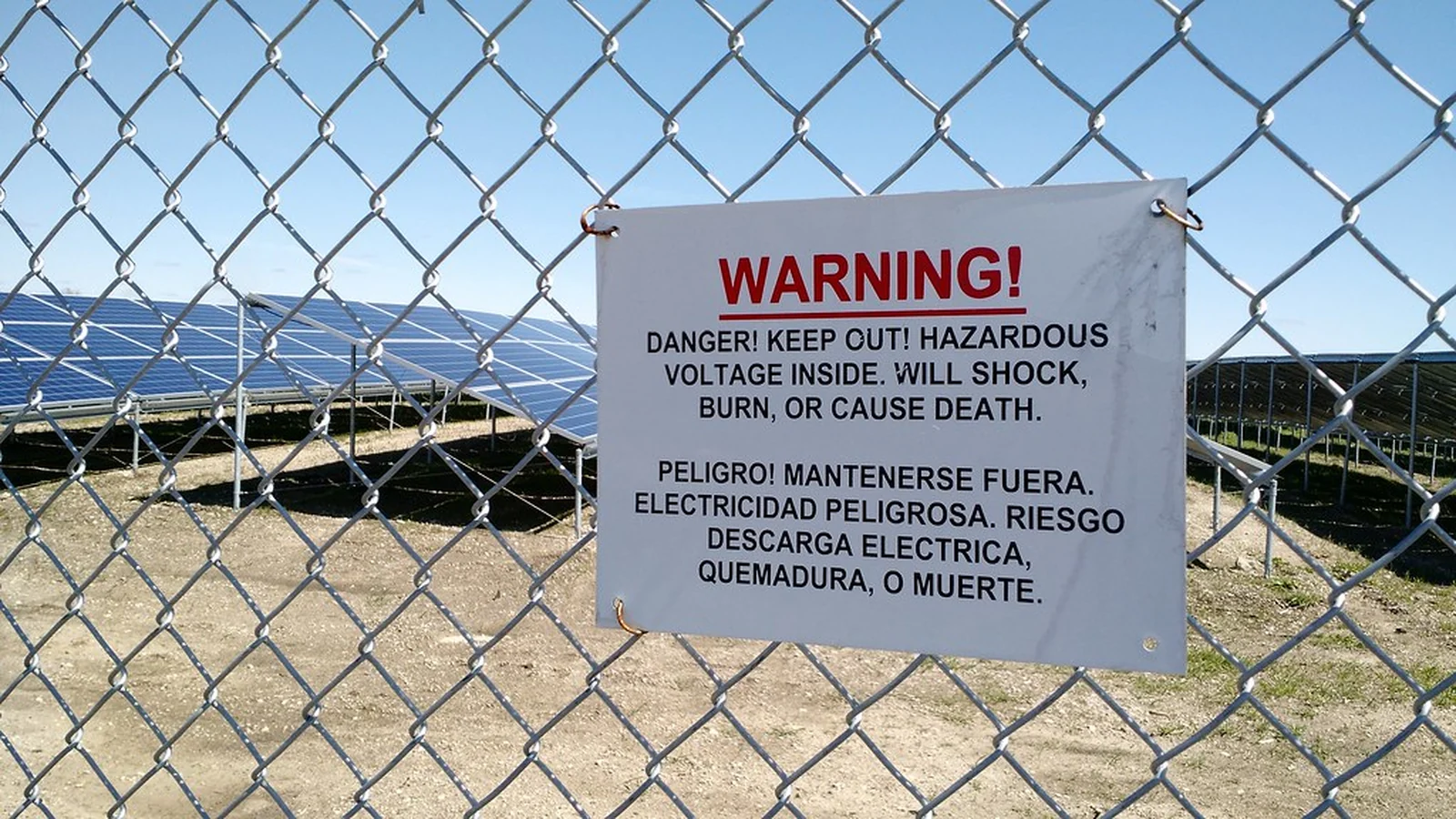
A solar panel is a module built from cells, and the cell technology, module construction, and manufacturer quality each affect real-world output. This guide explains what the technology names mean, which differences matter for a specific roof, and how to compare exact modules instead of generic types. No single technology is automatically best; the right choice depends on roof geometry, shade, climate, mounting, budget, and the specific datasheet.
Cell technology versus module type
Cell technology describes how the silicon wafer converts light to electricity (PERC, TOPCon, HJT, back-contact). Module type describes how cells are packaged and framed (glass-glass, glass-backsheet, bifacial). A module name such as “TOPCon bifacial glass-glass” combines both. Comparing panels therefore means comparing datasheets, not just marketing categories.
Monocrystalline is a broad wafer category, not a performance grade: most modern residential modules use monocrystalline wafers, but PERC, TOPCon, and HJT cells made from similar wafers differ in structure and behavior.
PERC, TOPCon, HJT, and back-contact cells
- PERC (passivated emitter and rear cell) adds a rear passivation layer to a standard cell, improving rear-surface recombination. It has been the mainstream residential cell and remains common, but newer structures now exceed its efficiency ceiling.
- TOPCon (tunnel oxide passivated contact) adds a thin oxide and doped polysilicon layer at the rear contact, reducing recombination further. Most large manufacturers now offer TOPCon modules in the 21–23% module-efficiency range.
- HJT (heterojunction) places thin amorphous-silicon layers on both sides of the wafer, giving high open-circuit voltage and low temperature coefficients. HJT modules often perform relatively better in hot conditions, and their symmetrical structure suits bifacial mounting.
- Back-contact designs move both electrical contacts to the rear of the cell, removing front busbars and shading losses; they are used in premium residential products.
Cell efficiency is measured on the cell; module efficiency is lower because the module area includes gaps, frames, and encapsulation. Always compare module efficiency and power on the datasheet, not press-release cell records.
CdTe, CIGS, and flexible products
CdTe (cadmium telluride) thin-film modules are produced at large scale by a small number of manufacturers and are used mainly in utility and commercial projects; they have different temperature behavior and degradation characteristics than silicon. CIGS (copper indium gallium selenide) thin-film is used in some flexible and building-integrated products. Flexible and semi-flexible panels trade some durability and efficiency for weight and conformability; check the manufacturer’s installation, ventilation, and warranty conditions before mounting them on a roof.
Bifacial construction and glass-glass versus glass-backsheet
Bifacial modules generate from both faces and gain extra energy when light reflects onto the rear (ground, roof surface, or tracker). The gain is site-dependent and is not guaranteed by the module alone. Glass-glass modules sandwich cells between two glass layers, which improves mechanical stiffness and moisture resistance and supports bifacial use; glass-backsheet modules are lighter and less expensive but have different degradation and handling characteristics. Both can be well built or poorly built; certification and the warranty terms matter more than the construction category alone.
Module efficiency, power density, dimensions, weight, and temperature
Key datasheet values to compare: STC power (W), module efficiency (%), power density (W/m²), dimensions, weight, temperature coefficient of power (%/°C), first-year and annual degradation, operating temperature range, maximum system voltage, fire rating (for example UL 790 classes), mechanical load ratings (static front/rear loads), and the approved mounting methods. A lower temperature coefficient matters most in hot climates; a higher power density matters most when roof area is limited.
Shade behavior depends on cell layout, bypass diodes, and the inverter or optimizer topology, not on the cell technology alone. A partially shaded string behaves differently than one with microinverters or power optimizers.
Warranty, fire rating, mechanical load, and approved mounting
Compare the product warranty (typically 10–25 years), the performance warranty (for example 84–92% of rated power after 25 years), the fire rating class, and the certified mechanical load ratings for the mounting method you plan to use. Using a mounting system or orientation the manufacturer has not approved can void the warranty and may not meet code. Check the manufacturer’s current installation manual for the exact racking requirements, torque values, and inter-row spacing.
Availability and manufacturer support
A technology’s datasheet only matters if the exact module is available in your market, from a distributor with stock, with a warranty serviced by a manufacturer that still supports the product line. Verify the current product list, the UL/IEC certification records, and the manufacturer’s service contacts before purchase. Discontinued or region-limited products can create replacement and warranty problems later.
Exact-module comparison worksheet
| Check | Module A | Module B |
|---|---|---|
| Manufacturer, model, and year | ||
| STC power (W) and module efficiency (%) | ||
| Power density (W/m²) | ||
| Dimensions and weight | ||
| Temperature coefficient of power (%/°C) | ||
| First-year and annual degradation | ||
| Fire rating and mechanical load ratings | ||
| Product warranty and performance warranty | ||
| Approved mounting methods and manual version | ||
| UL/IEC certification record and availability |
Roof-area example
Illustrative example: a usable roof plane of 30 m². At 21% module efficiency and roughly 200 W/m² (STC), about 30 × 200 = 6,000 W DC of panel nameplate could fit, before setbacks, vents, and shading are subtracted. A module with higher efficiency (for example 22.5%) would fit the same area with slightly more watts per panel, which matters when roof area is the binding constraint. If the binding constraint is the inverter or the budget instead, higher efficiency per watt may matter less. This arithmetic is illustrative; use the exact module dimensions and a measured roof plan.
Questions for an installer
- Which exact module models are you proposing, and what are their current datasheets and UL/IEC certificates?
- How do the modules interact with the proposed inverter or optimizer (voltage, current, and MPPT limits)?
- What mounting system, torque, and inter-row spacing does the module manual require?
- How does the layout handle shade from vents, chimneys, and neighboring trees?
- What is the installed cost difference between the options, and what does each warranty cover and exclude?
- Which fire class and mechanical-load ratings apply to this specific roof and mounting method?